LET THE PHOTONS DANCE
PRESENTATION
The nature of things.
Probably the loss of the entire work of Democrito was the greatest intellectual
tragedy that followed the collapse of ancient civilization.
The great idea of the Democrito system is extremely simple: the whole
Universe is formed of an immense empty space, in which countless atoms
run. Space is unlimited, it has neither high nor low, it has no centre, it has no
border. Atoms have no quality but their shape.
They have no weight, they have no color, they have no flavor: "Opinion the
sweet, opinion the bitter, opinion the hot, opinion the cold, opinion the color:
actually just the atoms and the void" . Sesto Empirico, Adversus
mathematicos, VII, 135
There is, however, a text that was saved to the disaster of the single dominant
monotheistic thought ( closure of ancient schools of thought and the
destruction of all texts that were not in accordance with Christian thought ) and
we came whole, through which we know a little of the thought of ancient
atomism: the beautiful poem The nature of things - the De rerum natura- of the
Latin poet Lucrezio.
Lucrezio adheres to the philosophy of Epicuro, a student of Democrito.
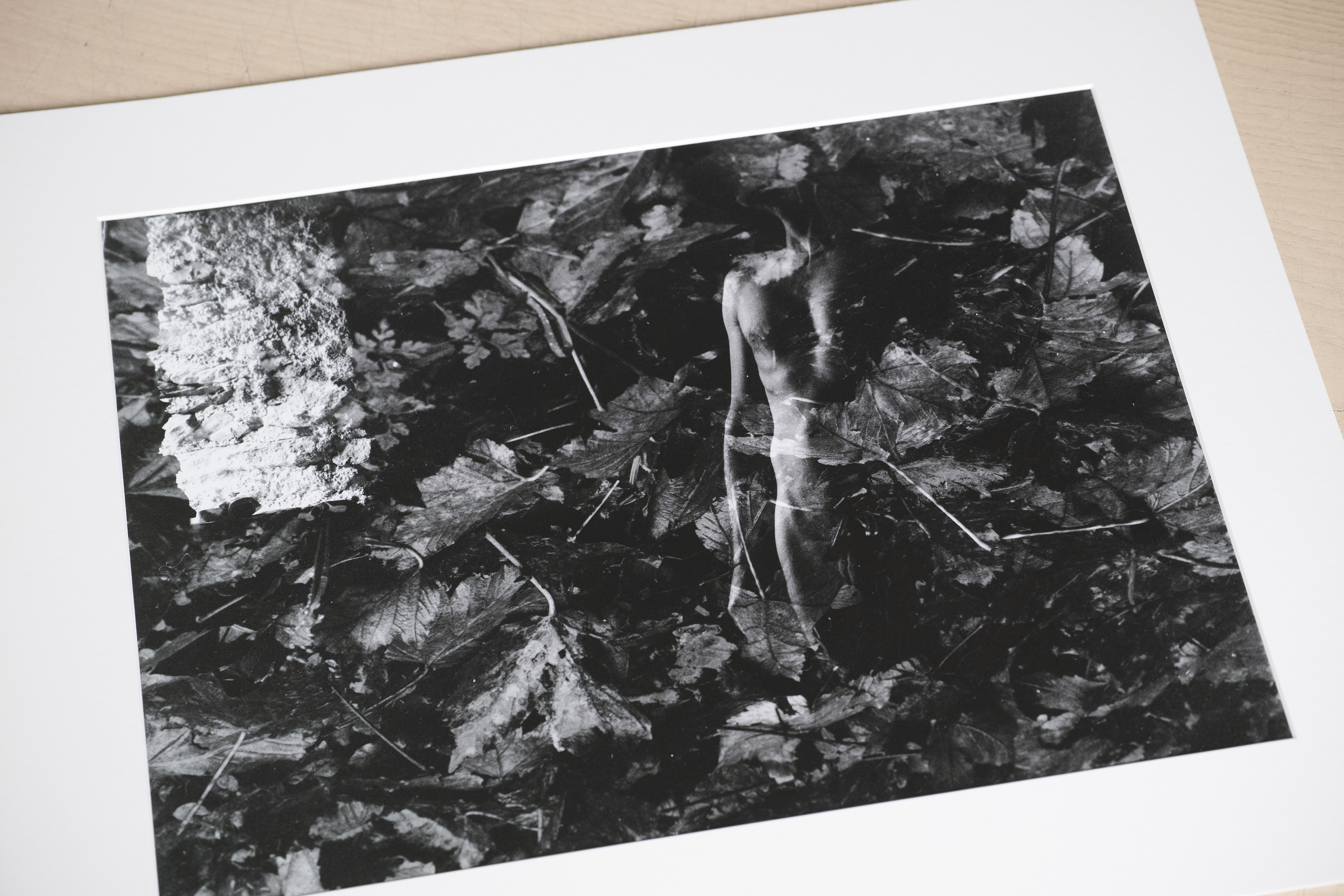
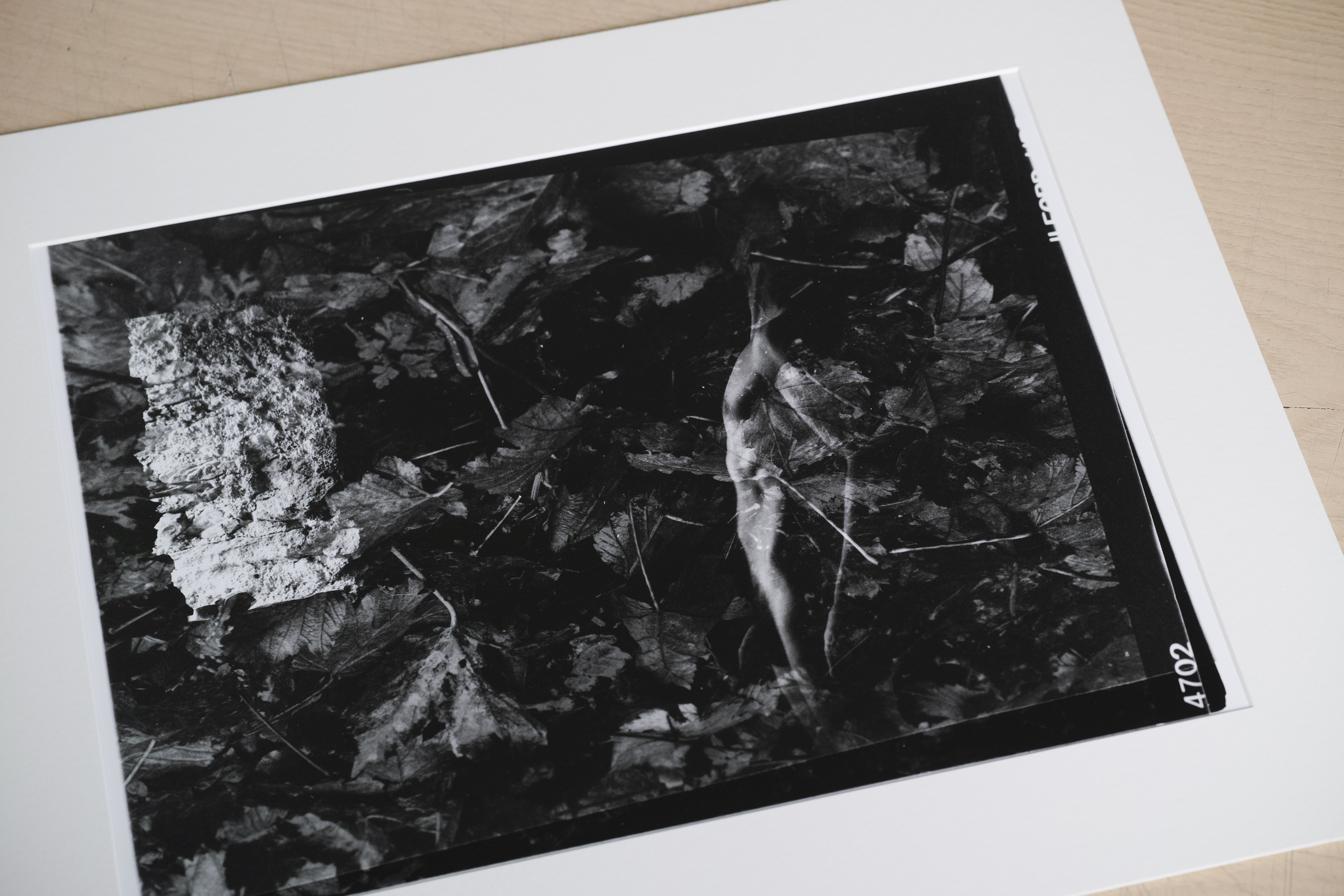
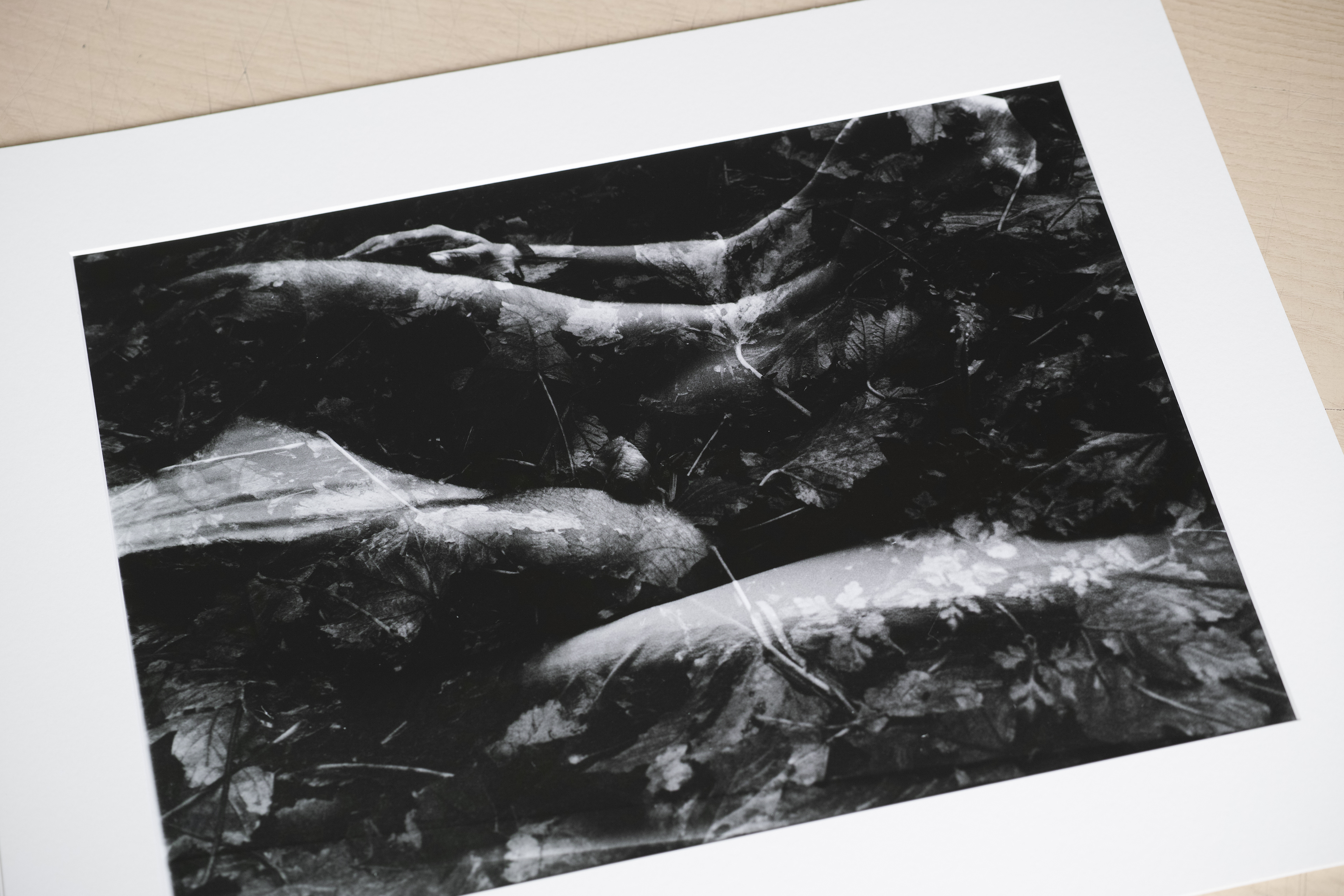
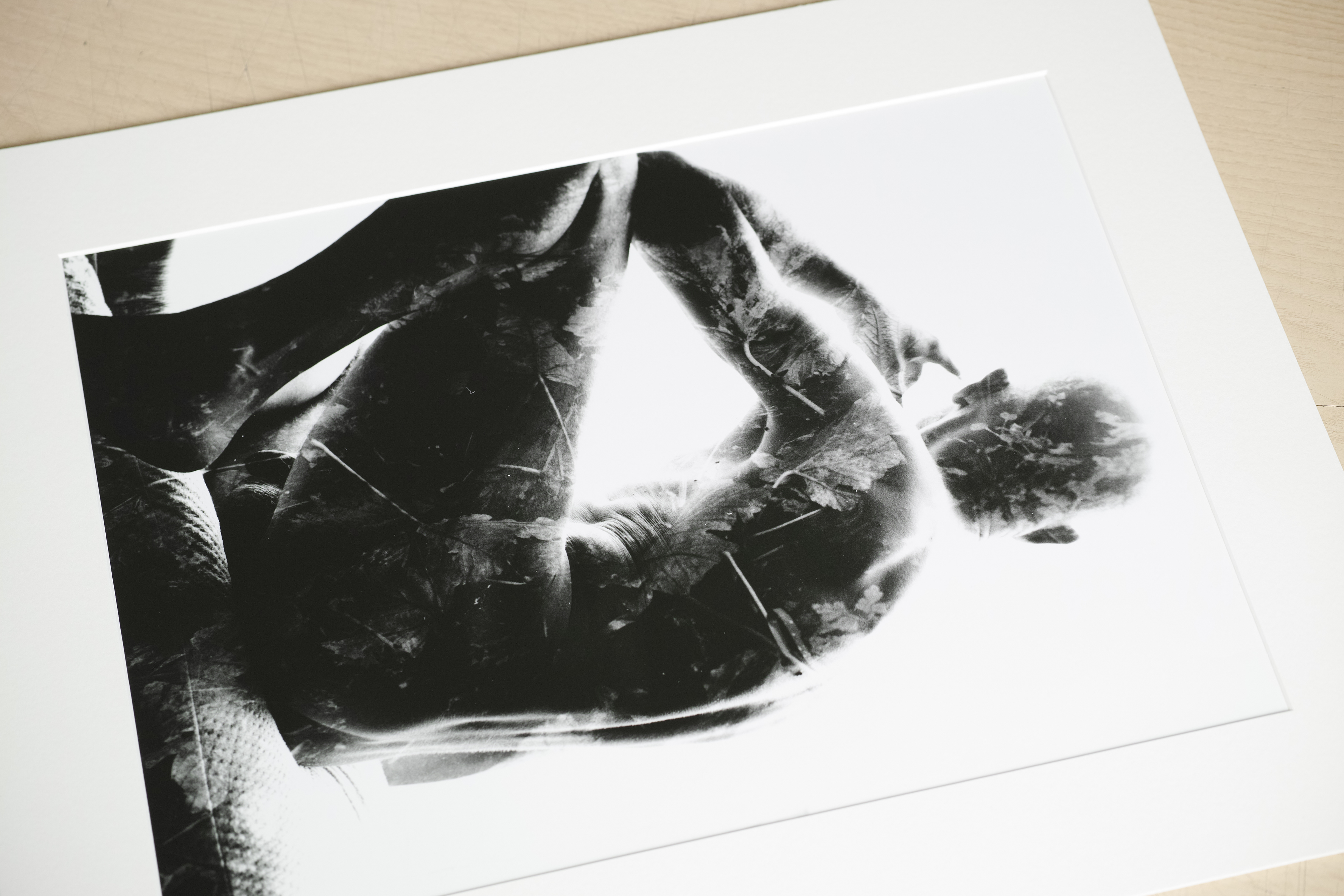
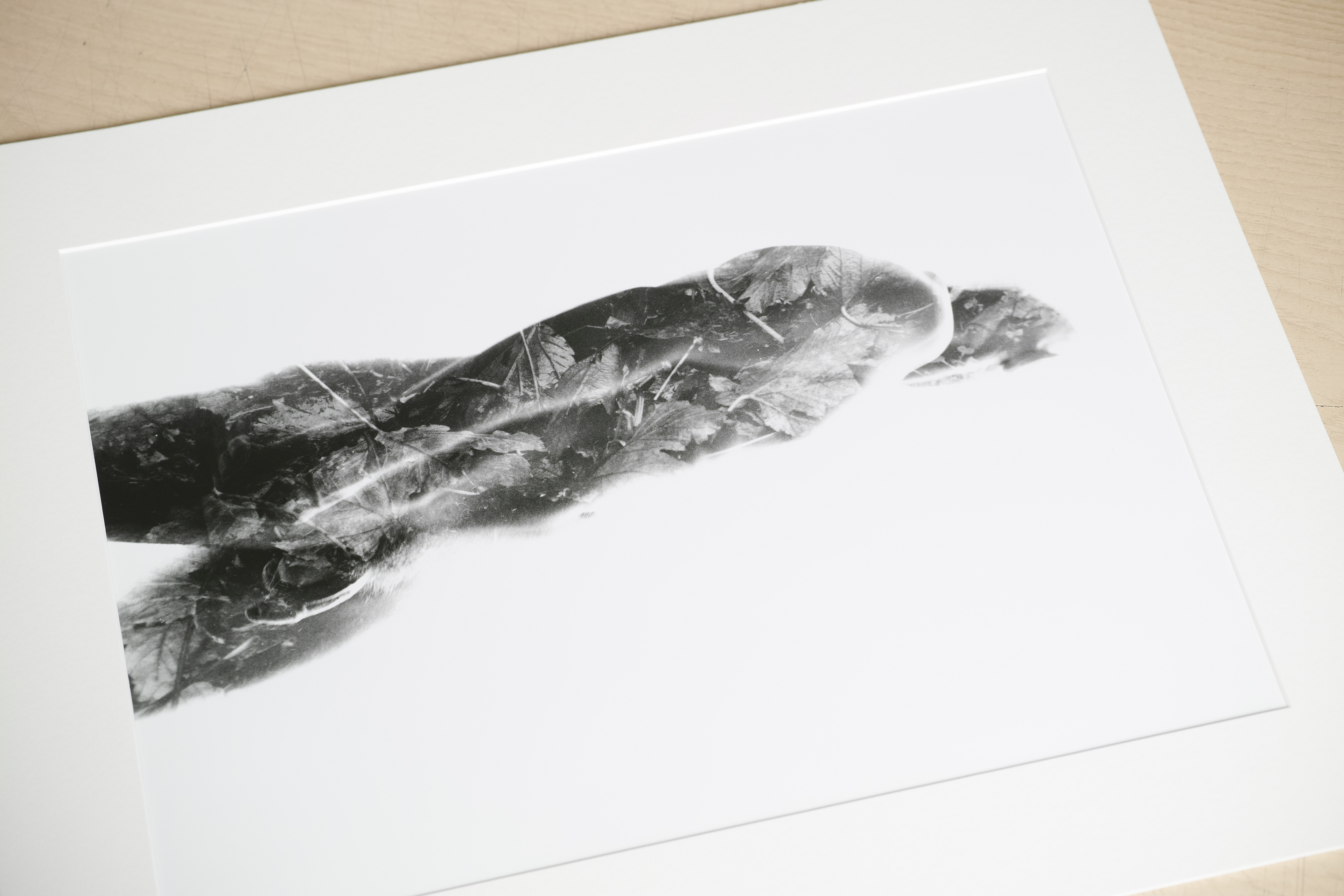
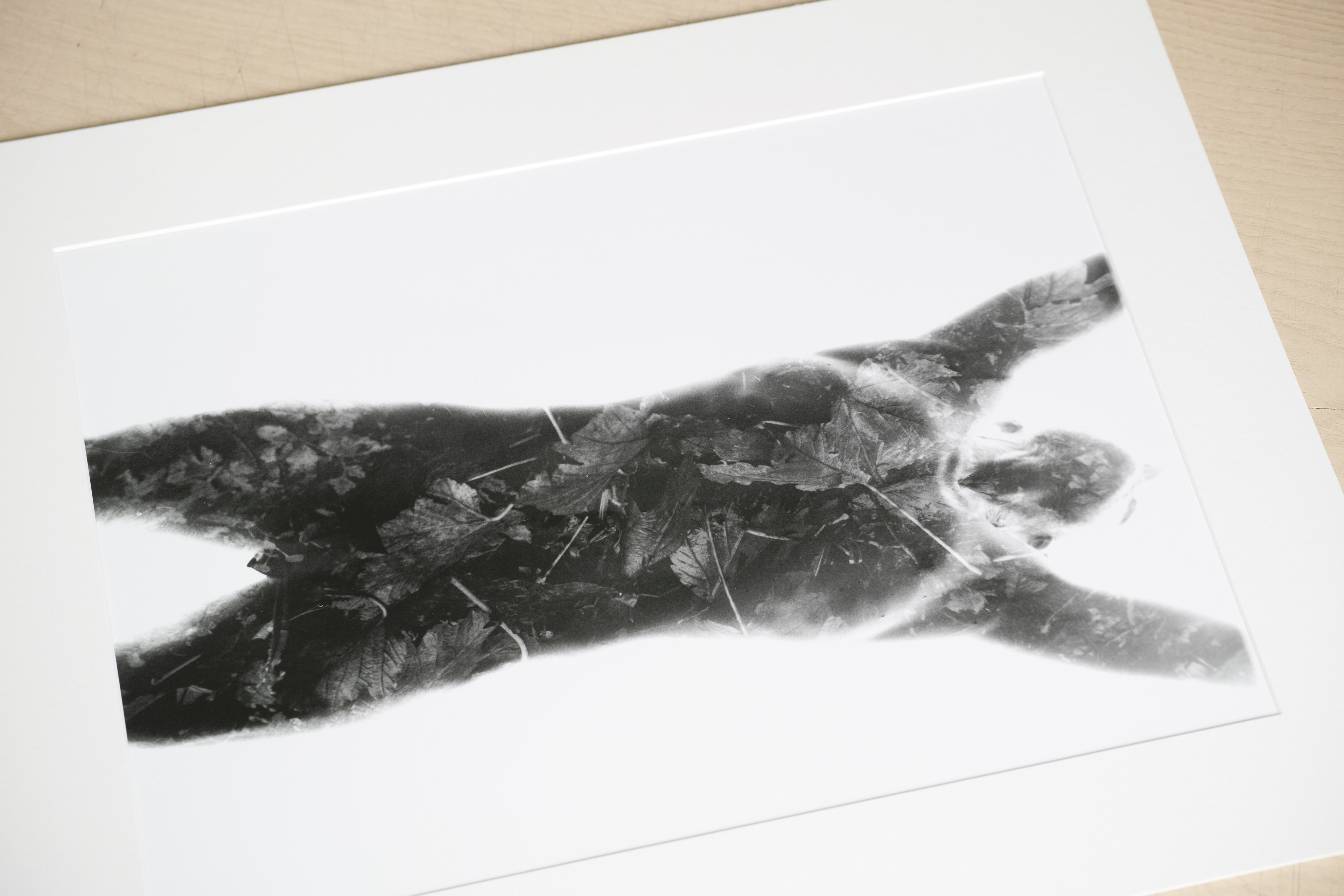
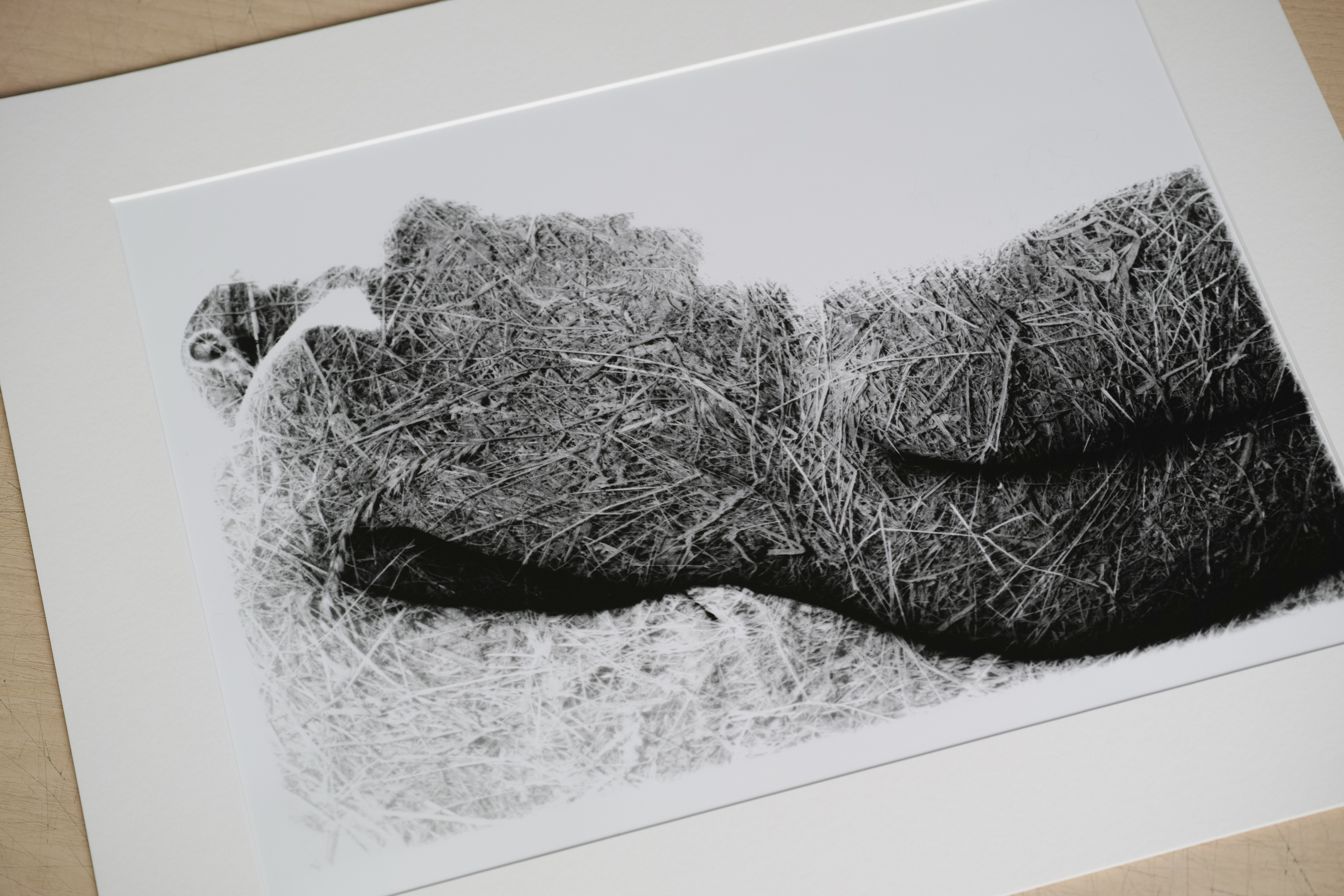
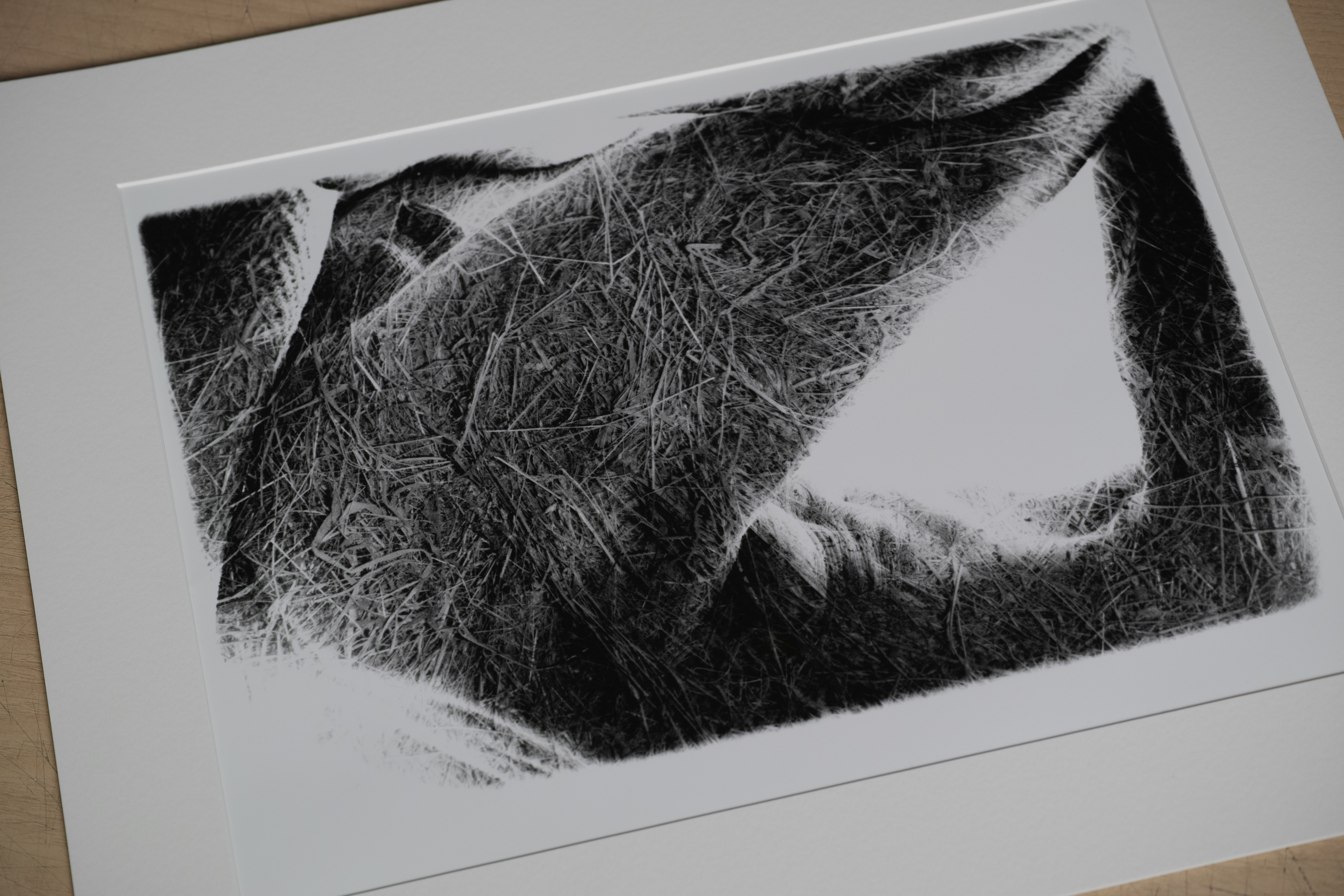
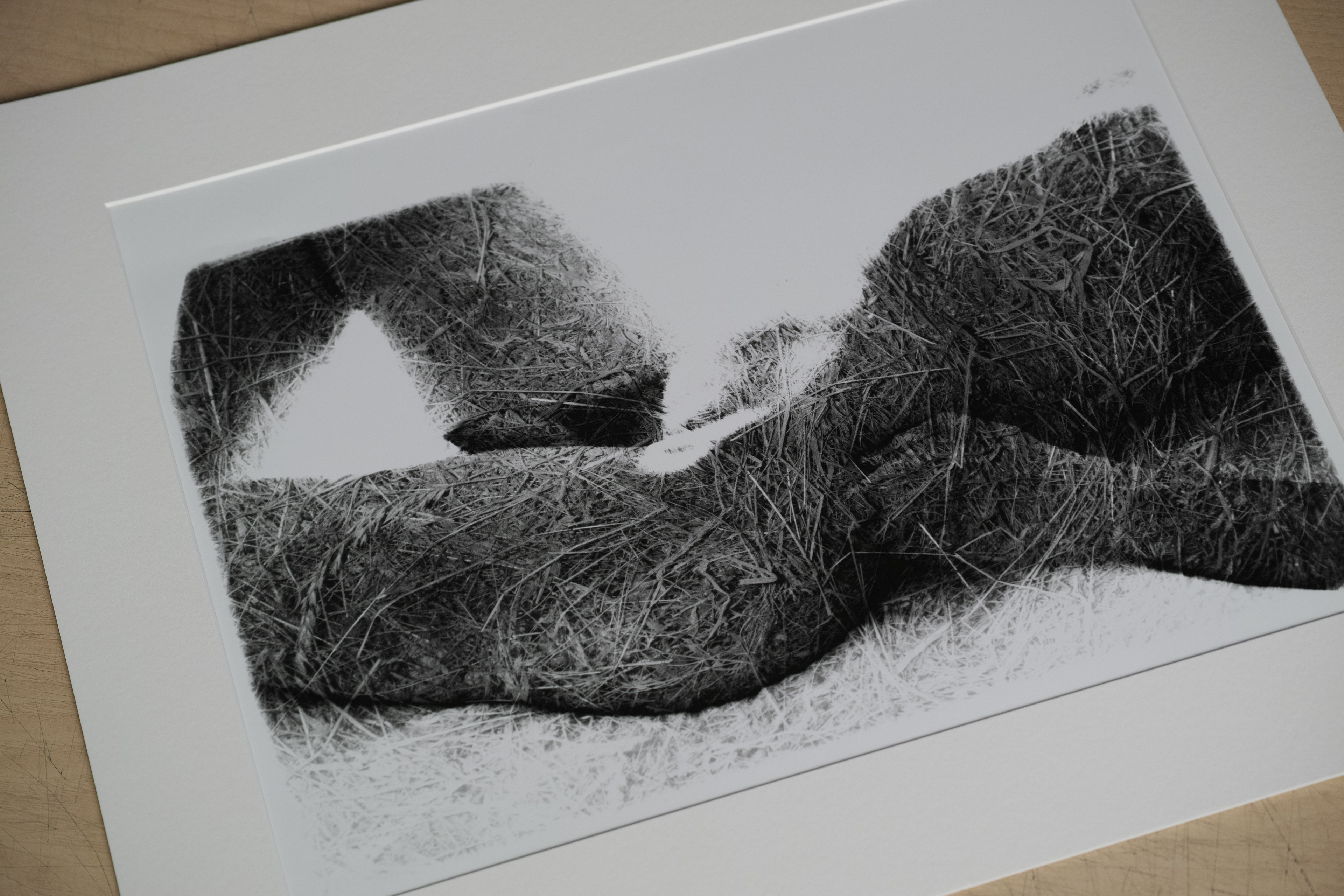
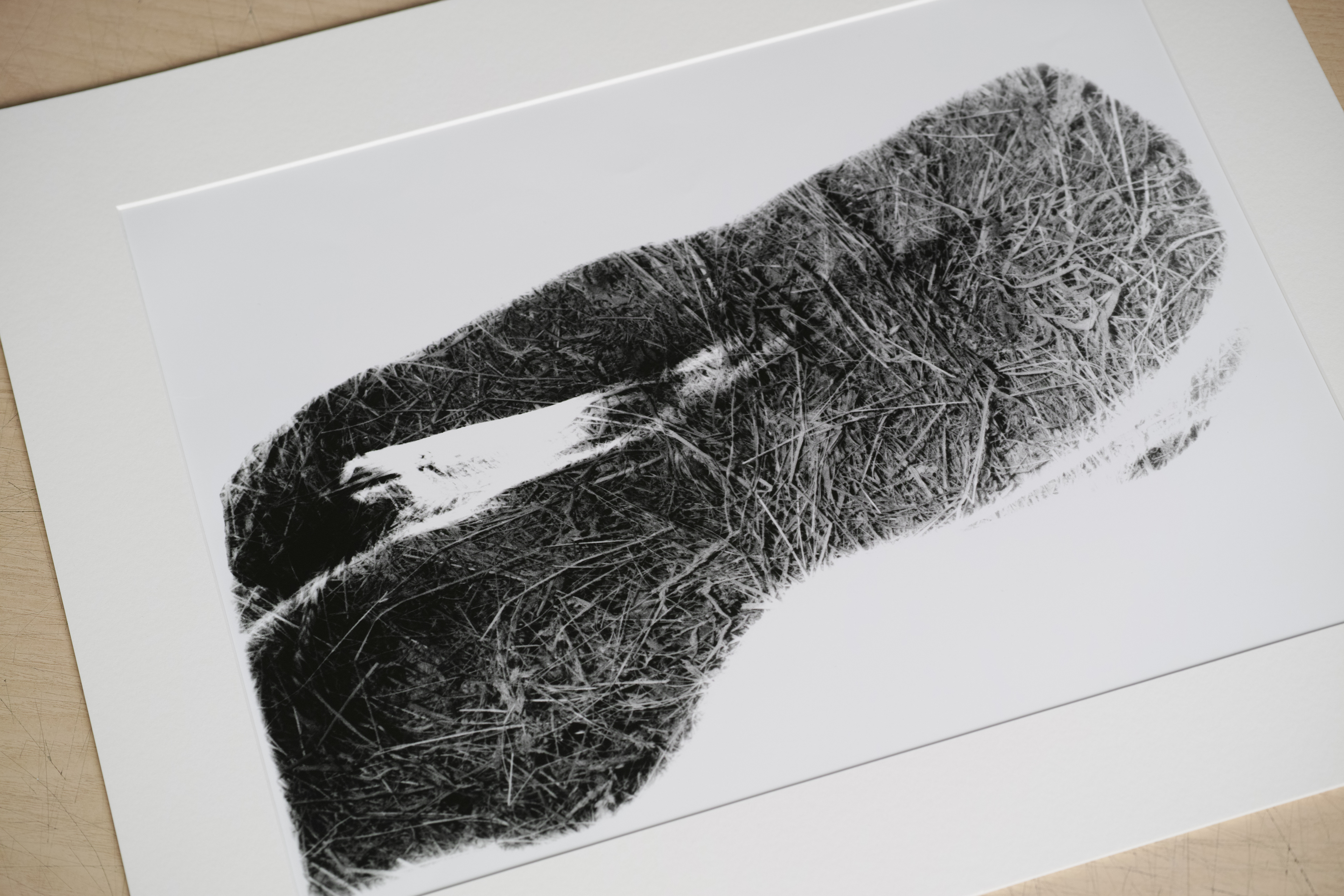
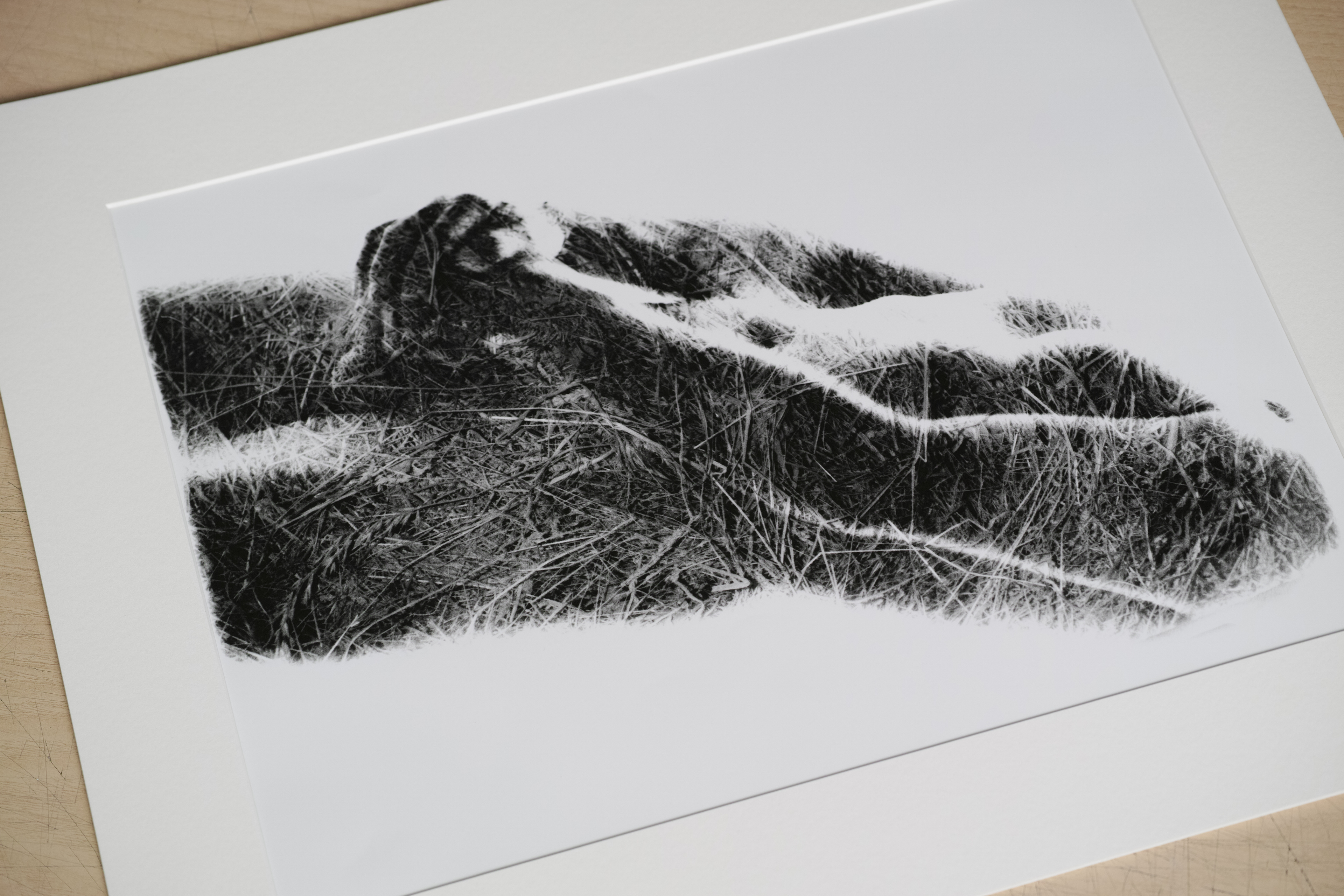
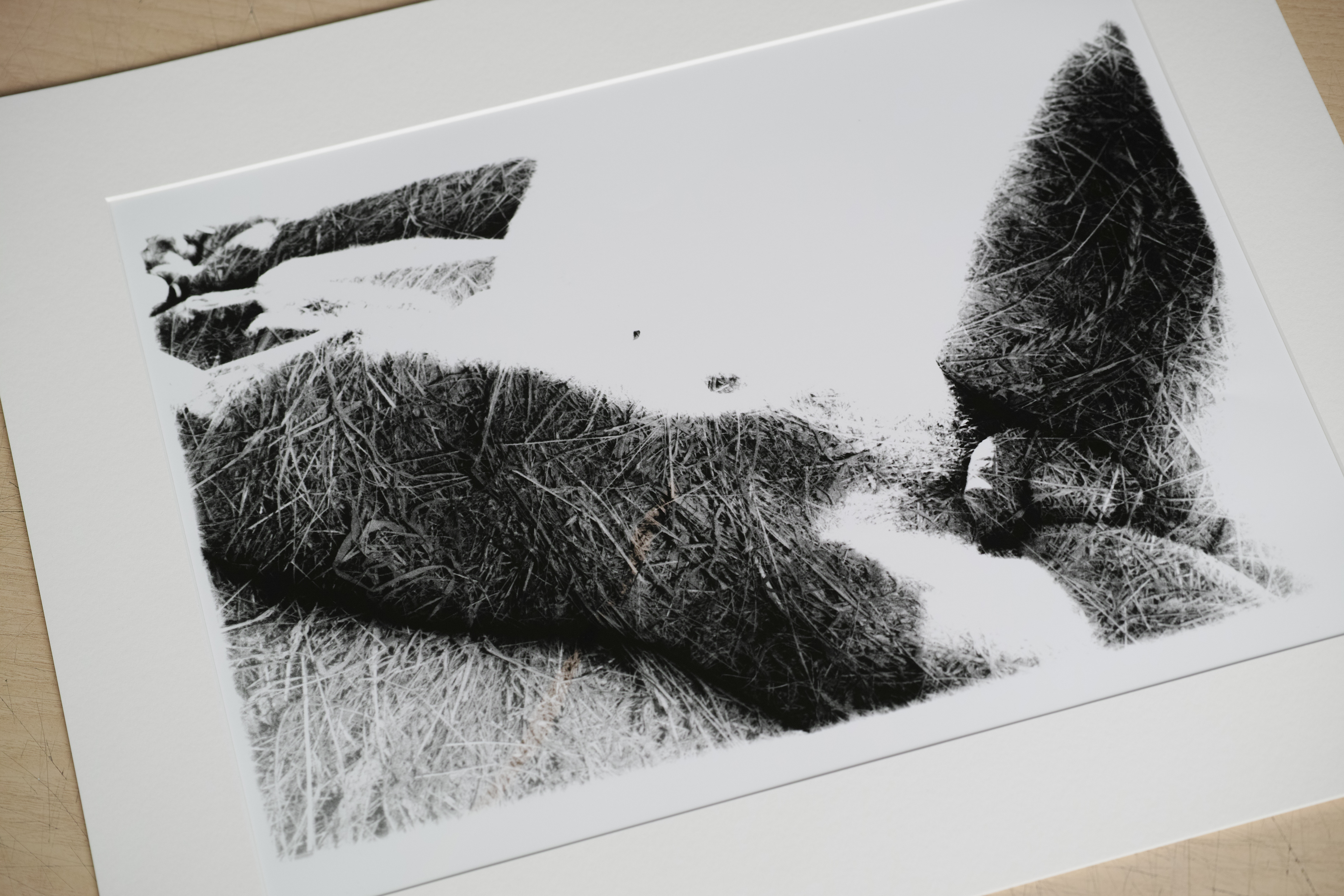
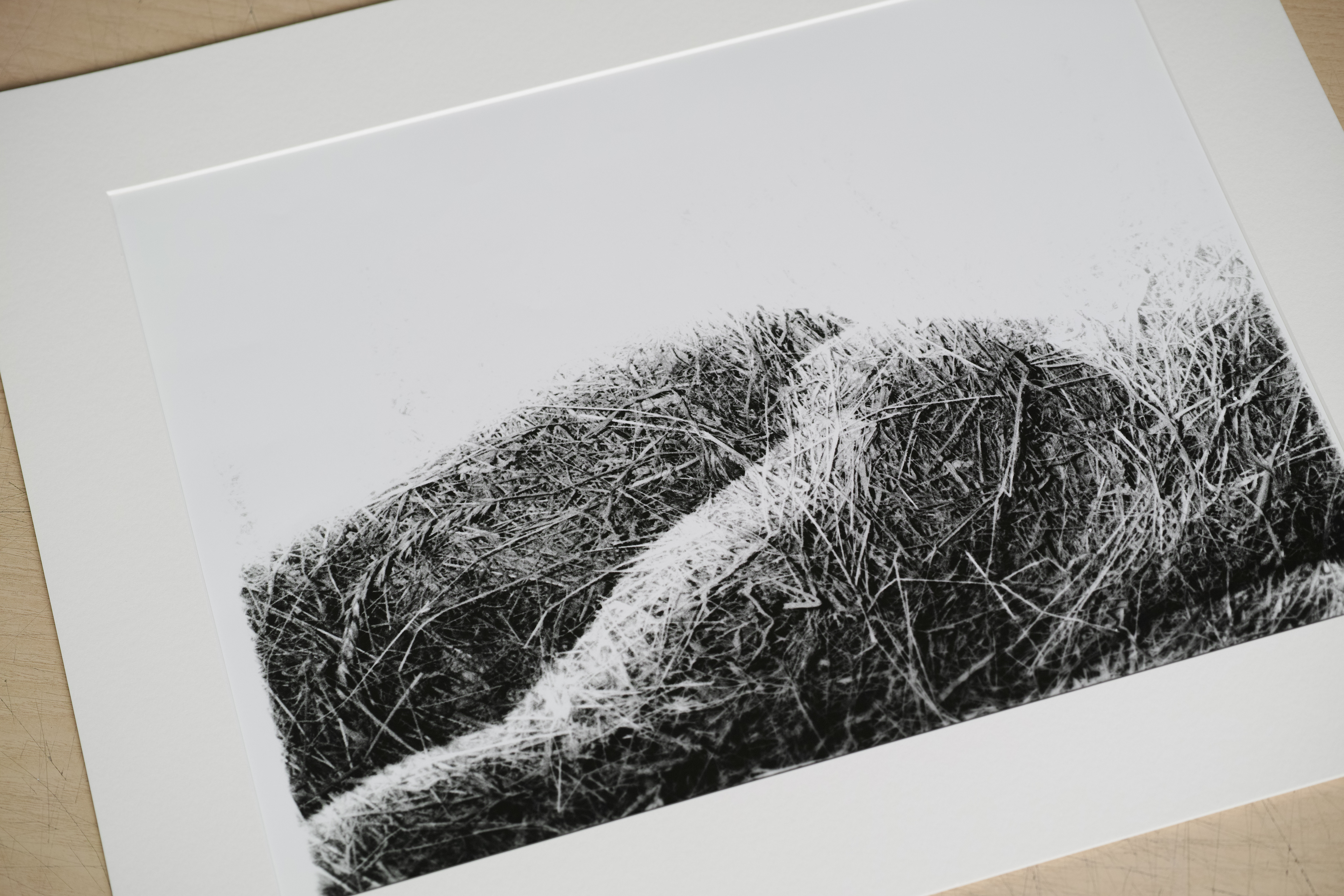
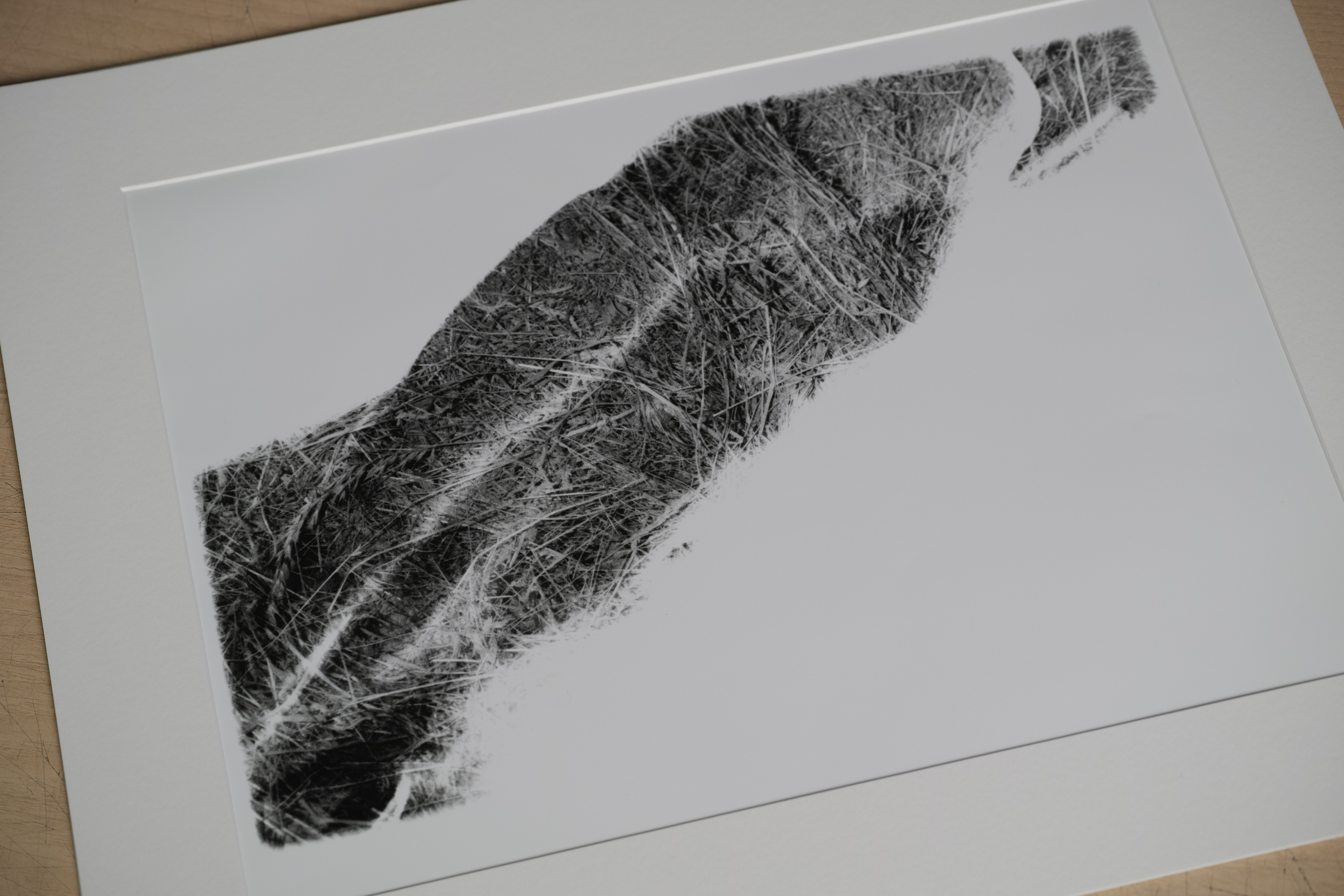
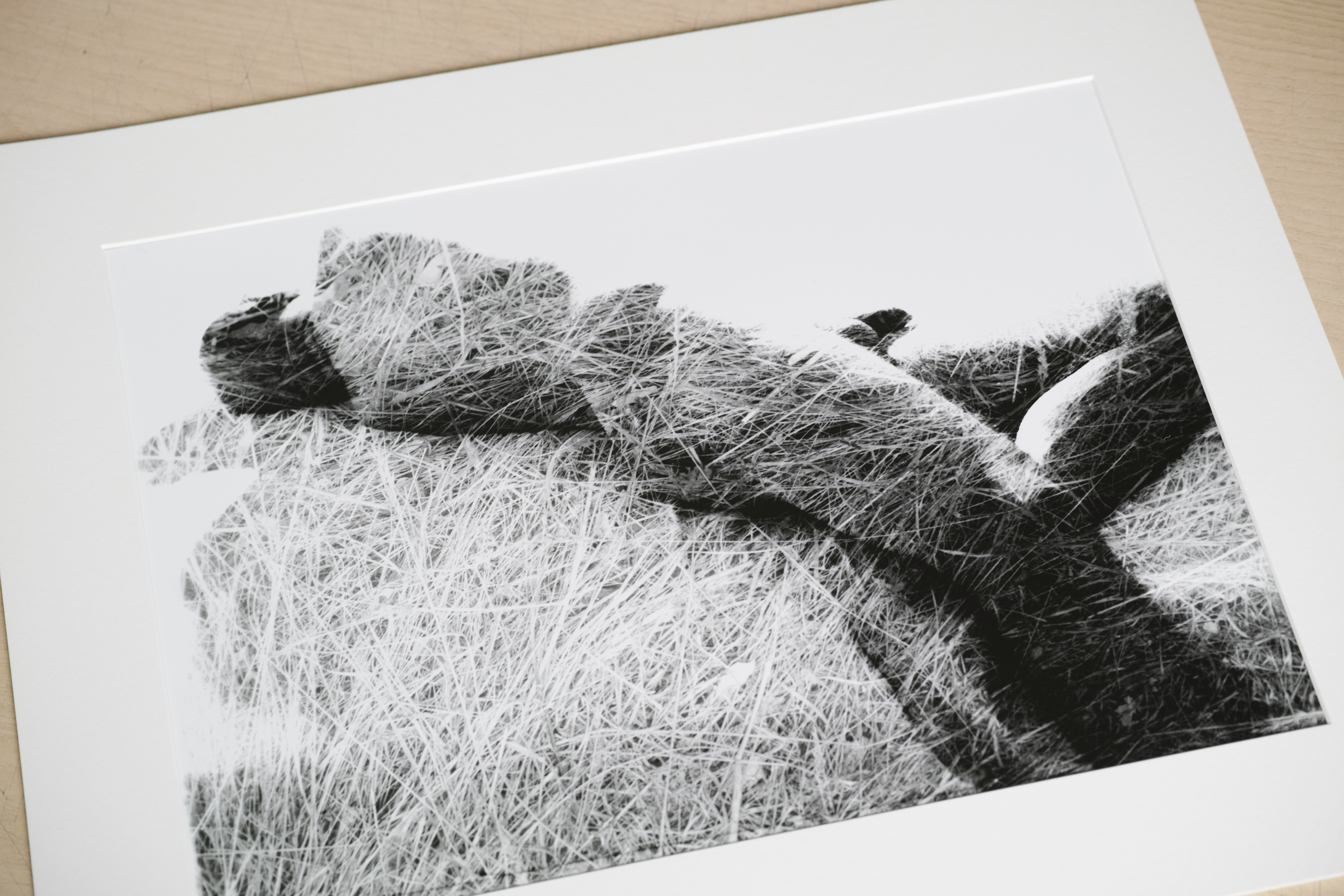
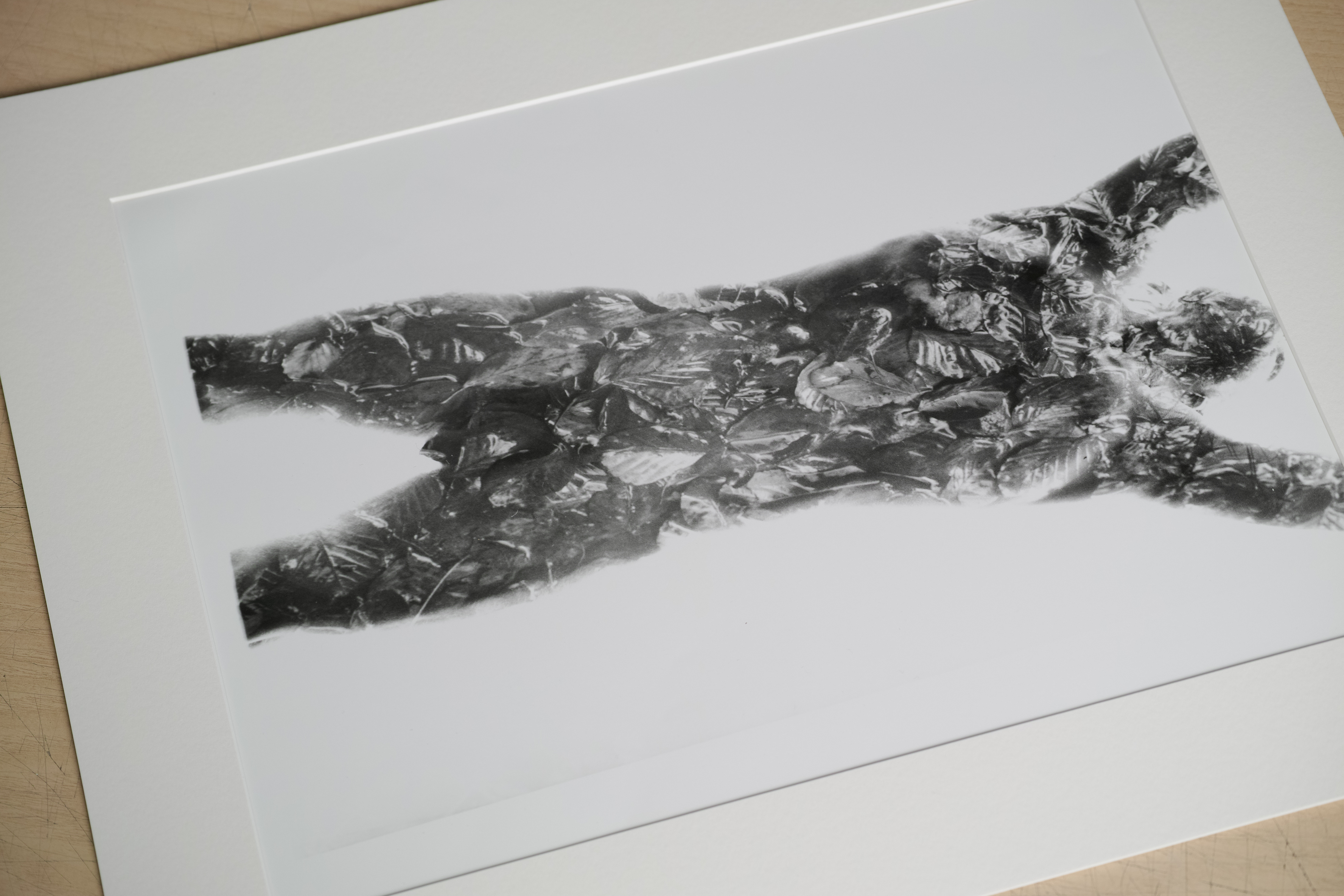
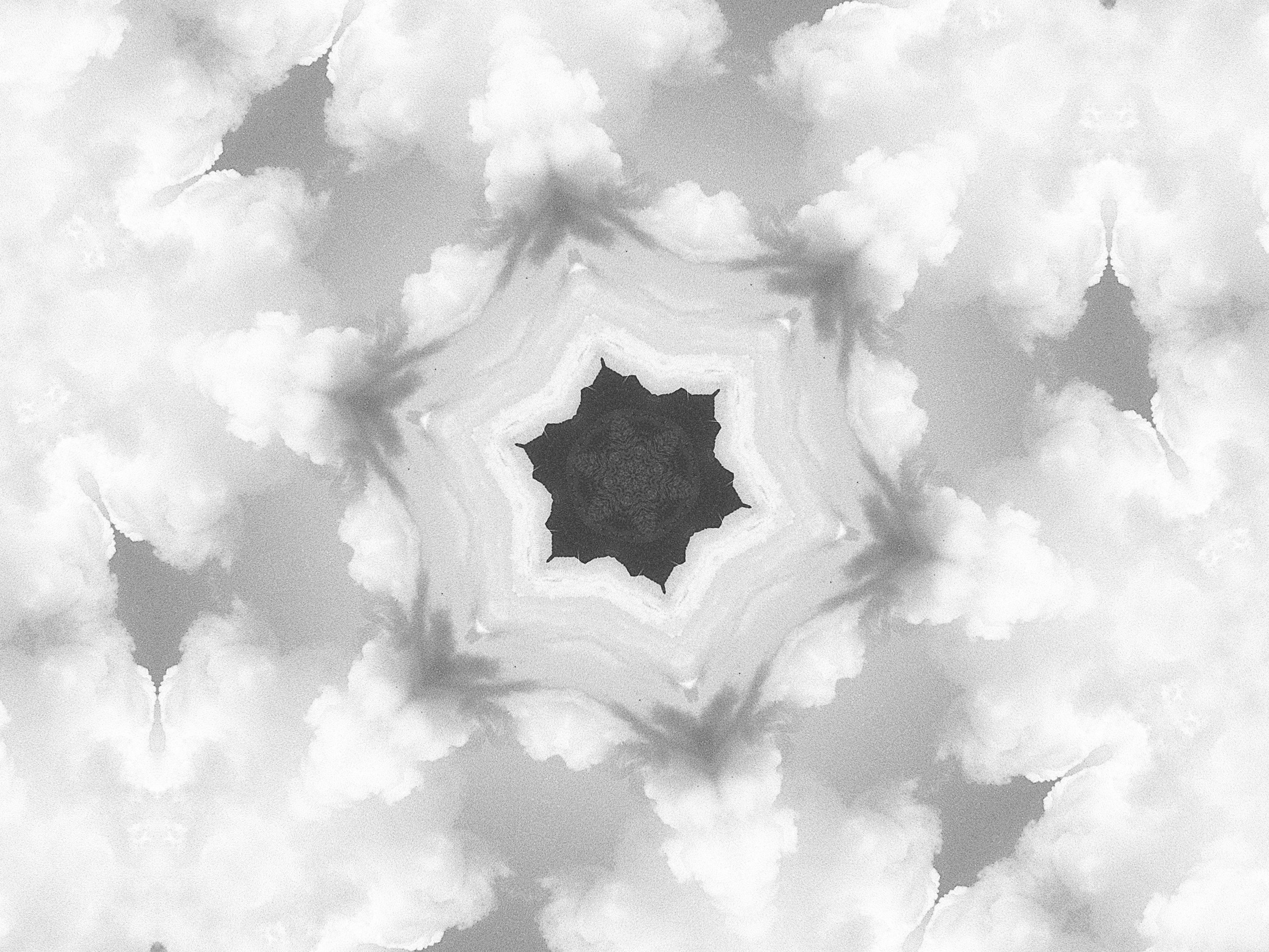
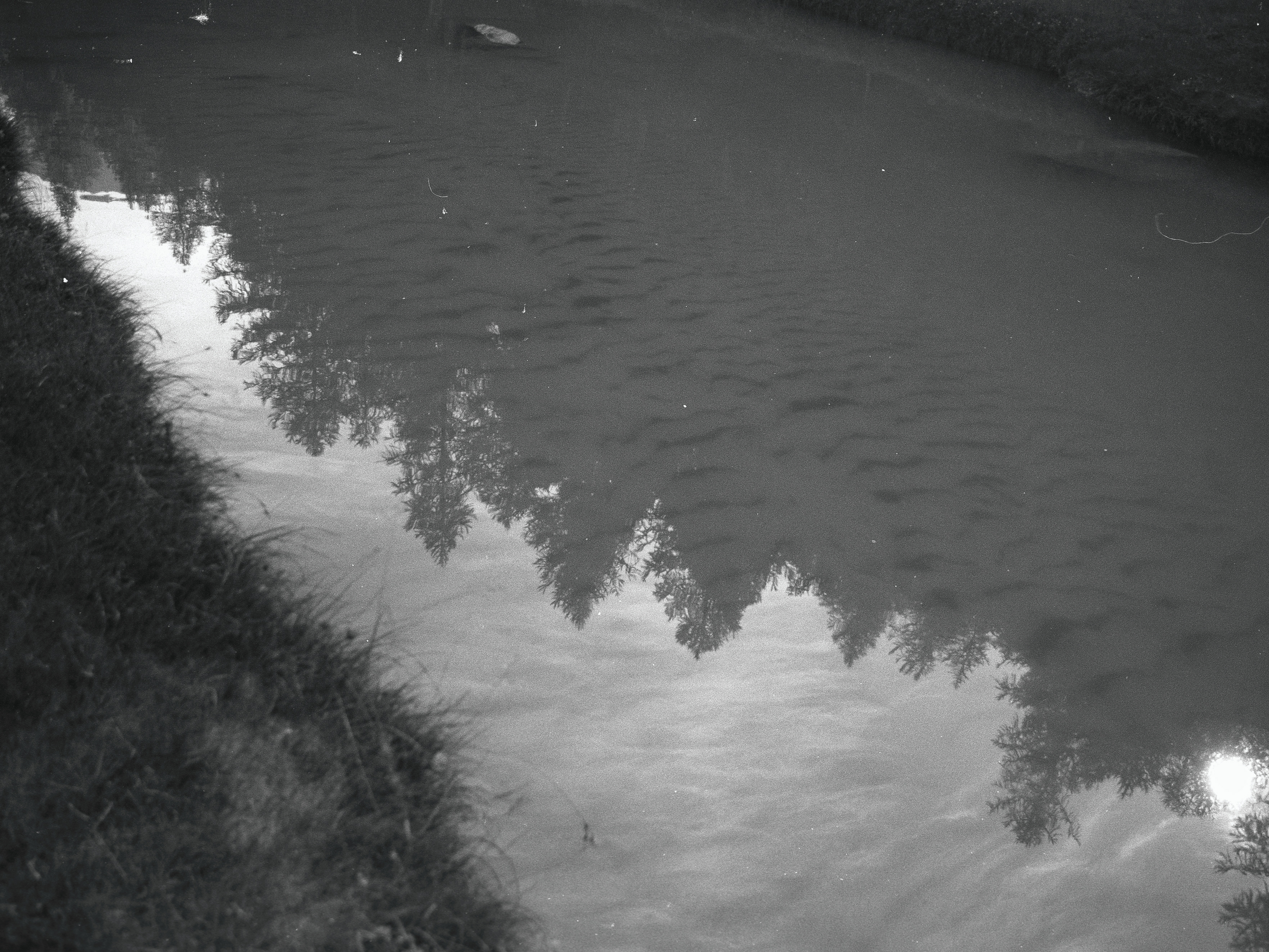
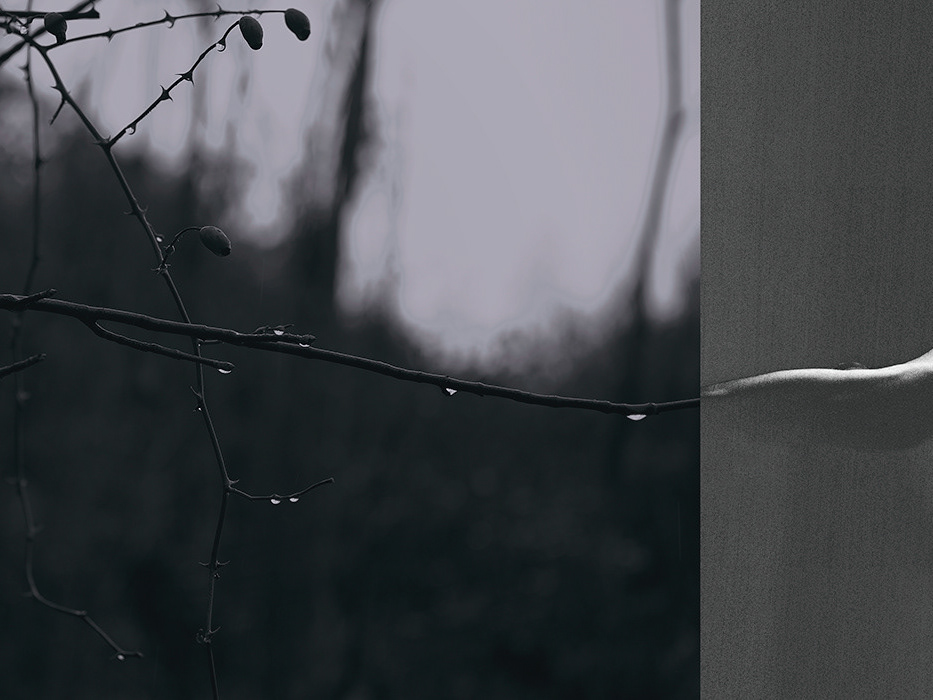
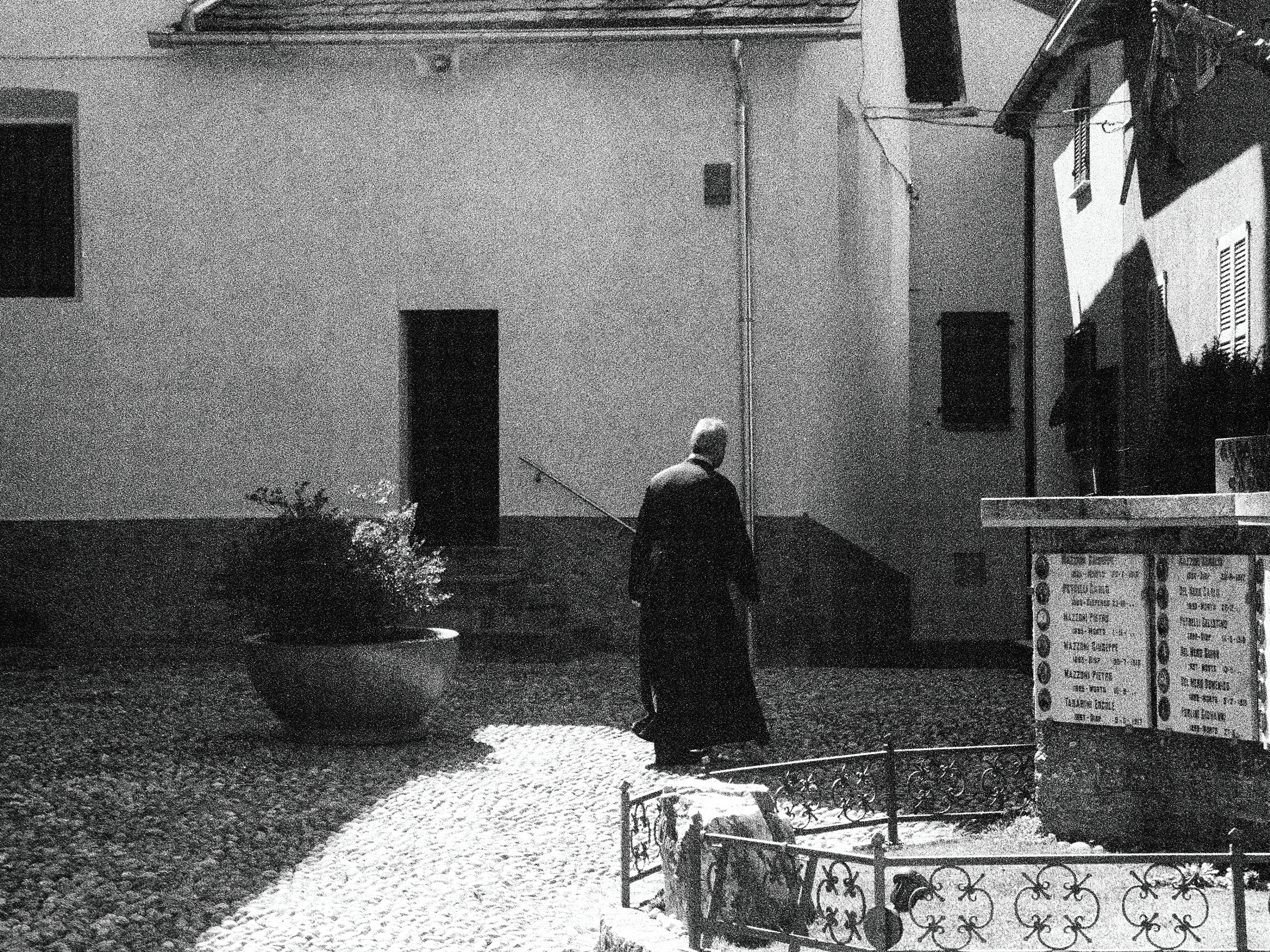
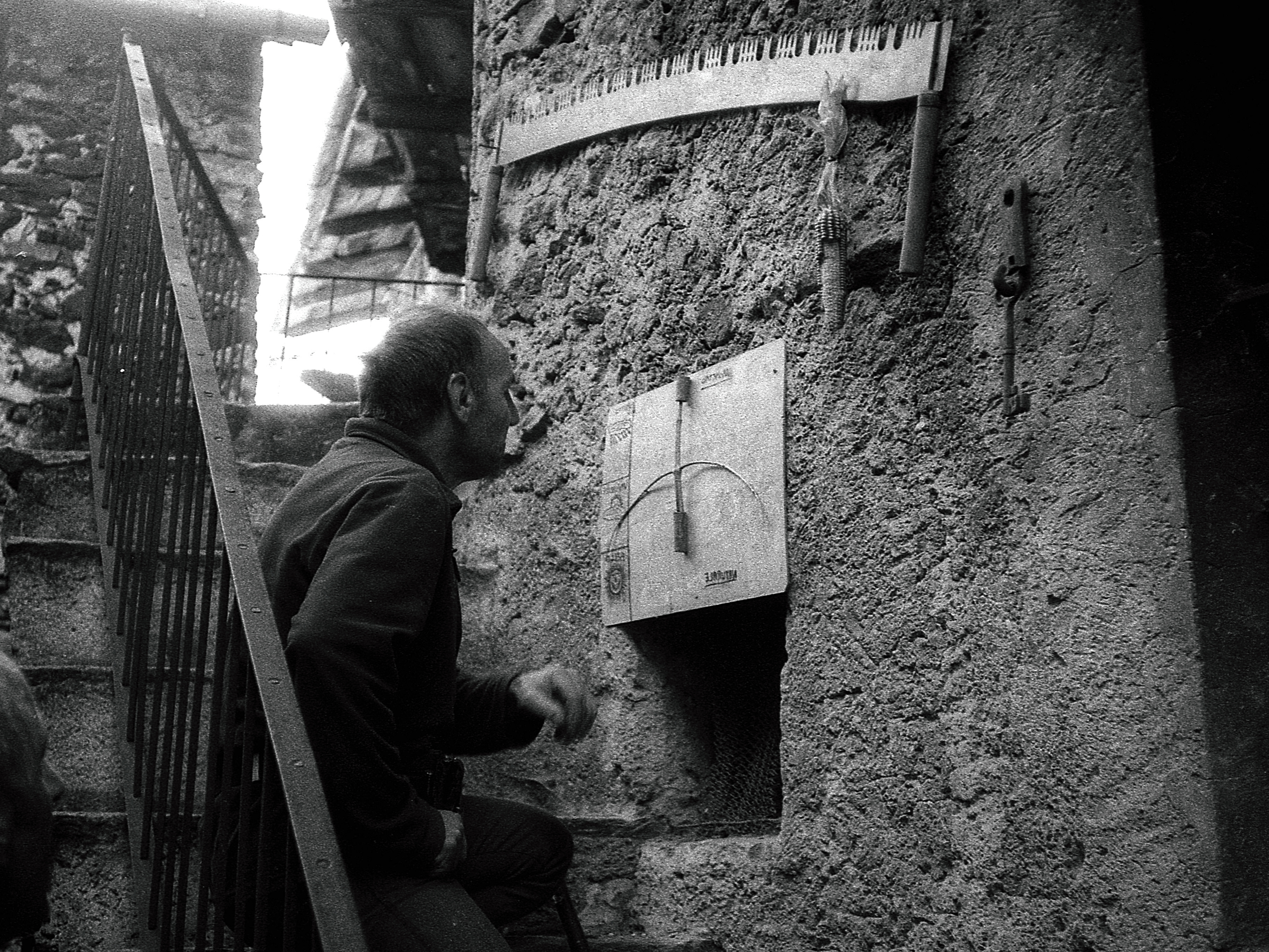
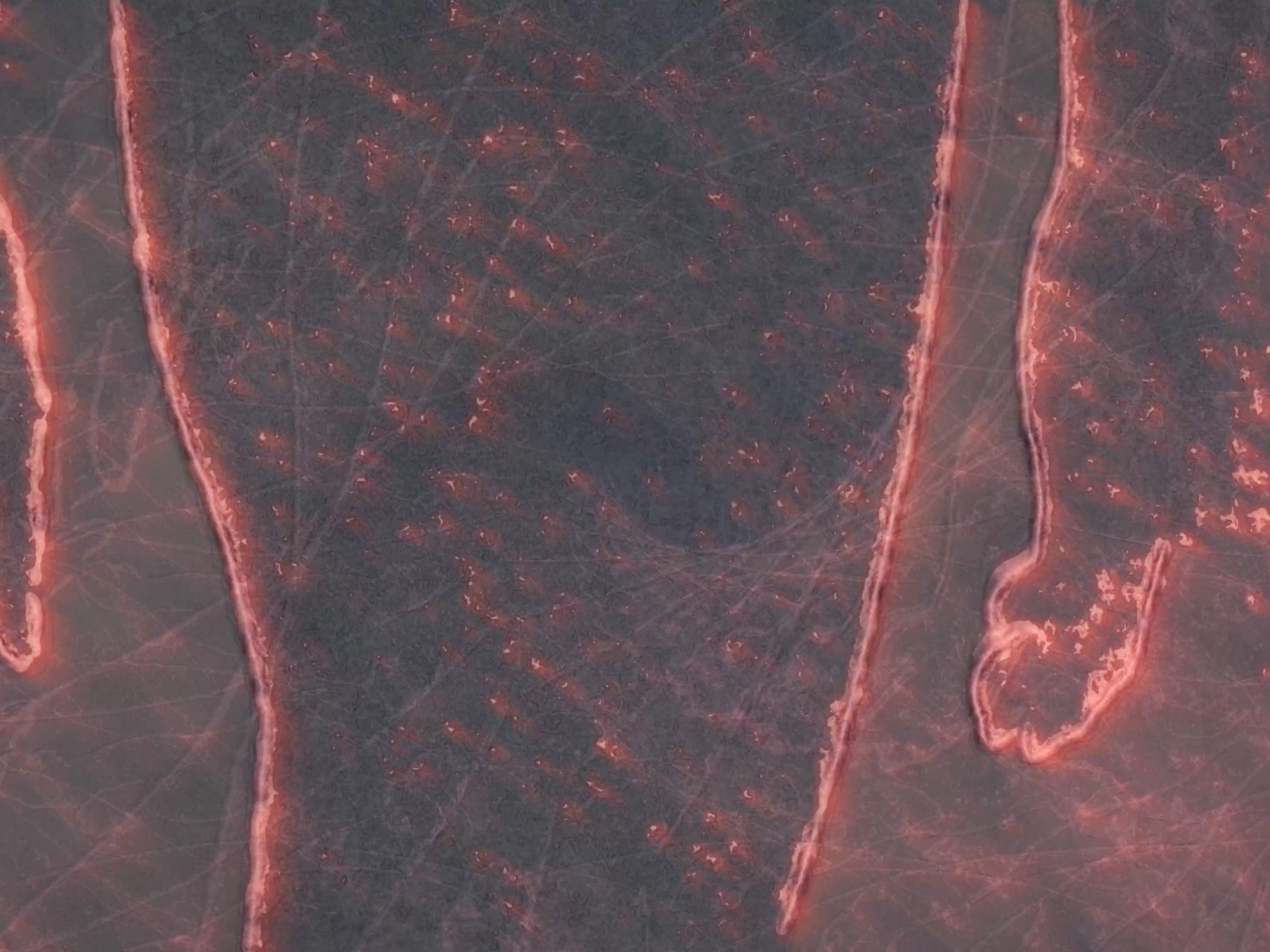
In his suggestive photographic series, Enus Mazzoni explores the deep interconnection between humanity and nature, drawing inspiration from ancient atomistic philosophy and modern quantum mechanics. Enus Mazzoni’s black and white images present abstract, textured forms that blur the boundaries between human bodies and natural landscapes.
The title of the series, "We are all freaks of Nature," refers to the philosophical concept that human beings, like all matter in the universe, are made up of the same fundamental particles. This idea, which originated in ancient Greek thinkers like Demokritos and was elaborated by the Roman poet Lucretius, finds echoes in contemporary quantum theory.
Enus Mazzoni’s images capture organic forms that could be interpreted as human figures or natural soil. The high-contrast and granular textures evoke a sensation of atomic or quantum "noise", visualizing the idea that all matter is in constant flux at microscopic level. Presenting the human form as indistinguishable from its environment, Enus challenges our perceptions of individuality and separation from nature.
The artist’s work invites viewers to contemplate their own place in the universe, suggesting that we are all part of a great cosmic dance of particles and energy. Through its lens, Enus reveals the beauty and mystery of the physical world, from the smallest quantum fluctuations to the largest celestial bodies.
This series serves as a visual meditation on the words of Lucretius: "We are all born from the same heavenly seed; we all have the same father." Enus Mazzoni’s images remind us of our fundamental unity with all of existence, encouraging a deeper appreciation for the natural world and our place within it.
PRESENTATION
The nature of things.
Probably the loss of the entire work of Democrito was the greatest intellectual
tragedy that followed the collapse of ancient civilization.
The great idea of the Democrito system is extremely simple: the whole
Universe is formed of an immense empty space, in which countless atoms
run. Space is unlimited, it has neither high nor low, it has no centre, it has no
border. Atoms have no quality but their shape.
They have no weight, they have no color, they have no flavor: "Opinion the
sweet, opinion the bitter, opinion the hot, opinion the cold, opinion the color:
actually just the atoms and the void" . Sesto Empirico, Adversus
mathematicos, VII, 135
There is, however, a text that was saved to the disaster of the single dominant
monotheistic thought ( closure of ancient schools of thought and the
destruction of all texts that were not in accordance with Christian thought ) and
we came whole, through which we know a little of the thought of ancient
atomism: the beautiful poem The nature of things - the De rerum natura- of the
Latin poet Lucrezio.
Lucrezio adheres to the philosophy of Epicuro, a student of Democrito.
In his suggestive photographic series, Enus Mazzoni explores the deep interconnection between humanity and nature, drawing inspiration from ancient atomistic philosophy and modern quantum mechanics. Enus Mazzoni’s black and white images present abstract, textured forms that blur the boundaries between human bodies and natural landscapes.
The title of the series, "We are all freaks of Nature," refers to the philosophical concept that human beings, like all matter in the universe, are made up of the same fundamental particles. This idea, which originated in ancient Greek thinkers like Demokritos and was elaborated by the Roman poet Lucretius, finds echoes in contemporary quantum theory.
Enus Mazzoni’s images capture organic forms that could be interpreted as human figures or natural soil. The high-contrast and granular textures evoke a sensation of atomic or quantum "noise", visualizing the idea that all matter is in constant flux at microscopic level. Presenting the human form as indistinguishable from its environment, Enus challenges our perceptions of individuality and separation from nature.
The artist’s work invites viewers to contemplate their own place in the universe, suggesting that we are all part of a great cosmic dance of particles and energy. Through its lens, Enus reveals the beauty and mystery of the physical world, from the smallest quantum fluctuations to the largest celestial bodies.
This series serves as a visual meditation on the words of Lucretius: "We are all born from the same heavenly seed; we all have the same father." Enus Mazzoni’s images remind us of our fundamental unity with all of existence, encouraging a deeper appreciation for the natural world and our place within it.