The Alps, a magnificent laboratory2025 - historical time and timegeographical
Introduction
It has begun to rediscover the centrality of the sense of place, of which the landscape is
the most visible manifestation (even if not all immediately visible),
but also of a whole irrepressible series (under penalty of virtualization of the
landscape) of dimensions, from memory and traditionality to aspects of the
natural and ecological conformation, to ritual and sacred symbolizations
deposited as signs in the territory, to the responsibility towards the venturi.
Landscape as a symbolic space of the settled community is the question
which has recurred with an inescapable force to urban planners in recent years, in
relationship to the design of forms of territorialization that are not limited
to a mere cryogenization of the existing or, conversely, to nihilism resignation in the face of zero approval which is also carried outthrough uniform, shapeless or obviously territorial constructional and logical formsdeformed.
It has begun to rediscover the centrality of the sense of place, of which the landscape is
the most visible manifestation (even if not all immediately visible),
but also of a whole irrepressible series (under penalty of virtualization of the
landscape) of dimensions, from memory and traditionality to aspects of the
natural and ecological conformation, to ritual and sacred symbolizations
deposited as signs in the territory, to the responsibility towards the venturi.
Landscape as a symbolic space of the settled community is the question
which has recurred with an inescapable force to urban planners in recent years, in
relationship to the design of forms of territorialization that are not limited
to a mere cryogenization of the existing or, conversely, to nihilism resignation in the face of zero approval which is also carried outthrough uniform, shapeless or obviously territorial constructional and logical formsdeformed.
IN THE LANDSCAPE YOU LIVE
If one puts mind to the rapid transformation and changing of modelsin the field of taste, poetics and forms of art and aestheticizationof life, from the eighteenth century to today, according to an increasing acceleration,a very similar innovation, in rhythms and logic, fashionable, one cannotfail to notice the extraordinary persistence (and certainly trivialization) of themodels of aesthetic enjoyment and appreciation in the landscape field.
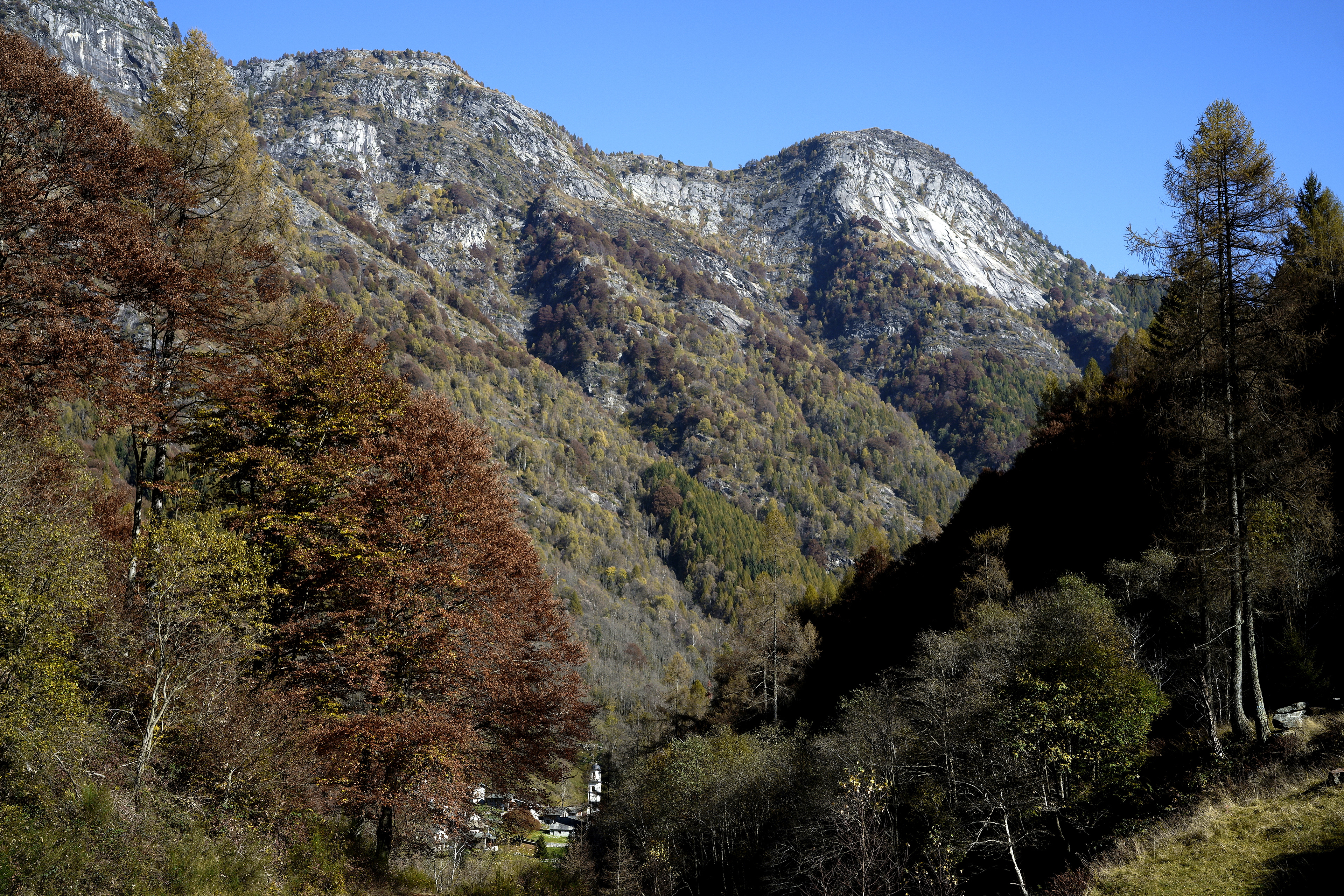
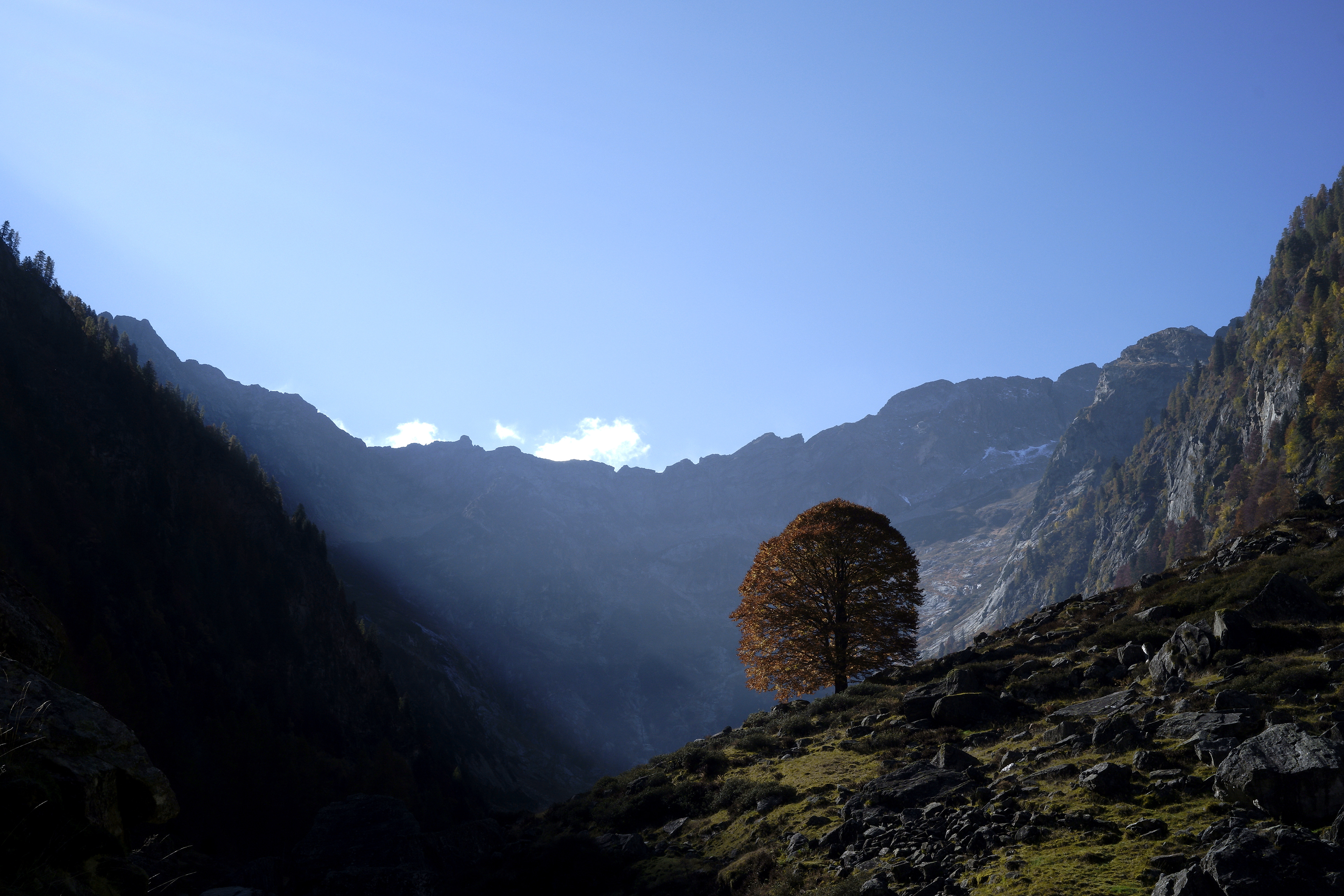
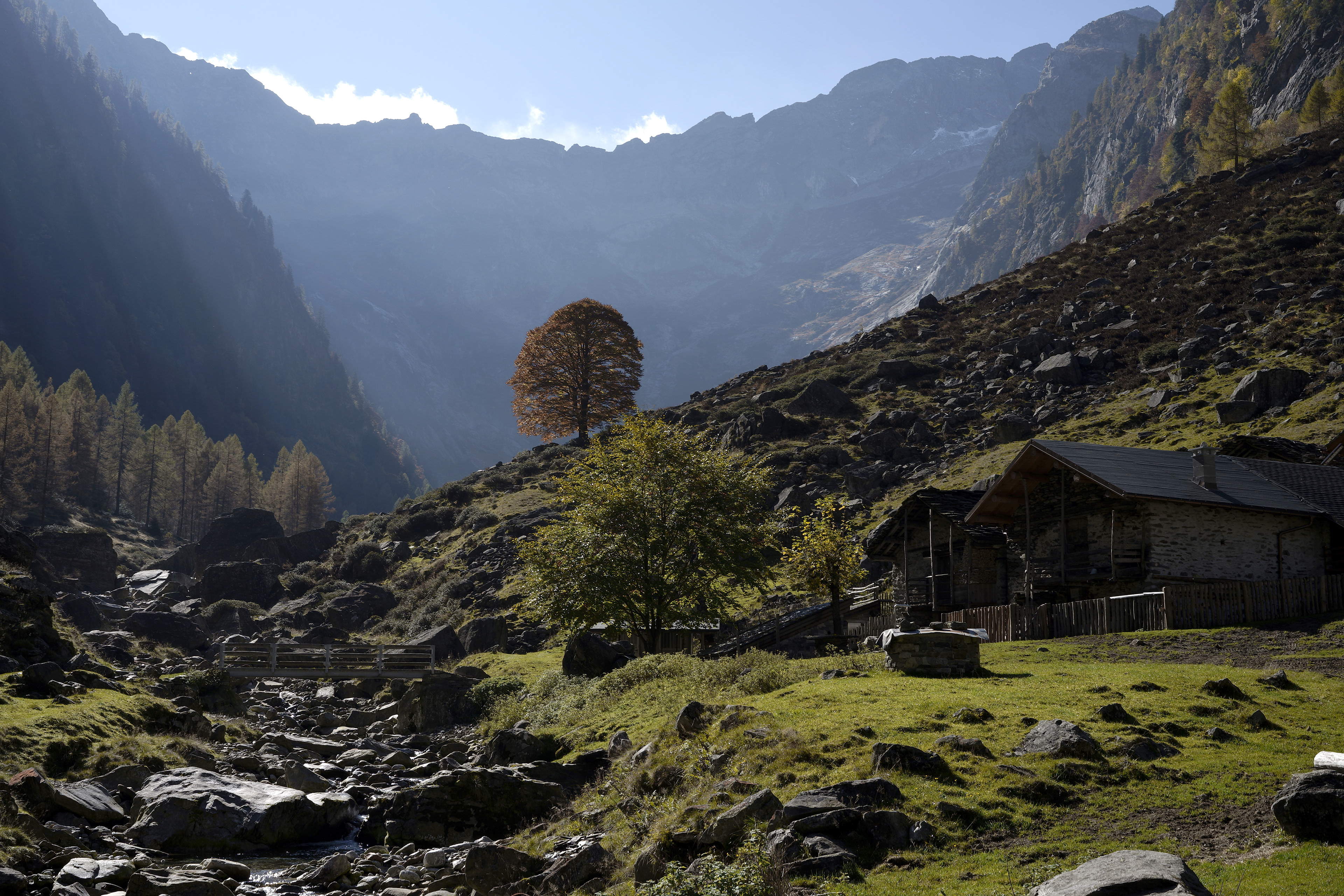
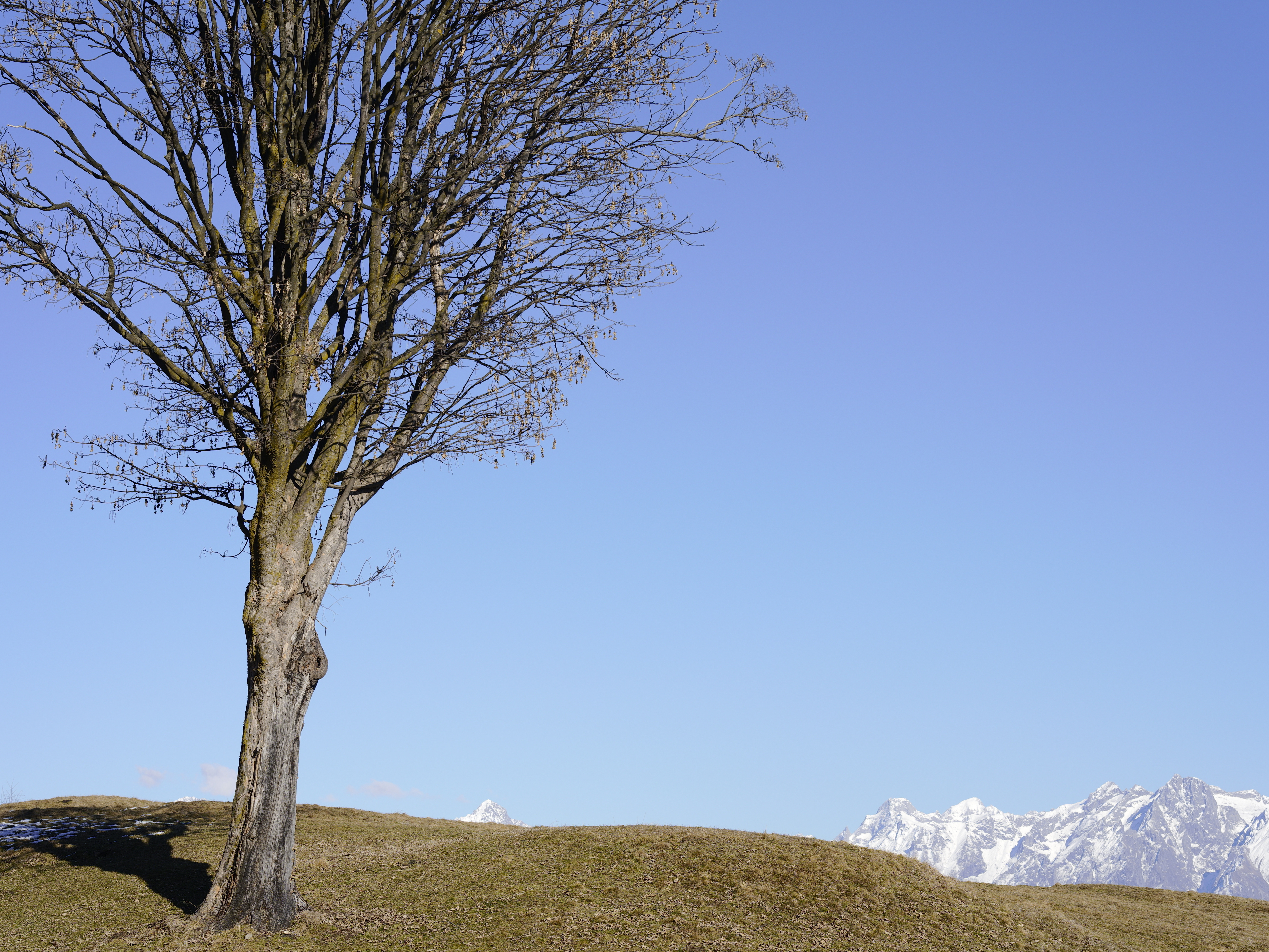
Deep down, at least until recently, thelandscapes codified and “put into shape” at the time of their discovery (the Alps, thewild nature, picturesque countryside, etc.). Not just more or less thesame places, but - it can be demonstrated through image analysispictorial, photographic, commercial, tourist, amateur etc. - the sameways of framing, of perspective, of selecting details.
Ultimately, as I'll check right away, you go looking, in a landscape, for thatwhich was seen at the beginning, replying incessantly and unknowinglythe form of that first valorization.Observable phenomenon, given the appropriate proportions, even in today'stourism industry, where one goes to check on site the congruence of thereal landscape with the image you have made at home, from the brochure orfrom friends' photos.
It is possible to show how the persistence of modelsaesthetics that roughly follow the poetics of the picturesque and the sublimeor the valorization of a (typical) regional idea of the territory, orientieven today the judgment and the “demand” (and therefore the ways of valorization)of landscape, often clashing with the perception and uses of the inhabitantspremises.
The persistence of the aesthetic “visibility” paradigm has been found for a long time in the legislative provisions on the matter of landscape protection and can be recognized, consistently, in the theories that identify the landscape with the aesthetic identity of a territory.
It, fully reflecting subjectivistic ambiguity, is impotent (or however very weak) faced with the objection of defending a passantist conception of beauty (connected to styles of living and use of the fatally obsolete territory) to the detriment of the actual logic of use of the
territories.
On the positive side it can only lead to the fixation of the image (up to cliché) aesthetics of places, with effects ranging from embalming museum for protection purposes, when using the icon value of a landscapefor commercial, production and tourism purposes, up to the representation of identity andnon-existent traditionalities.
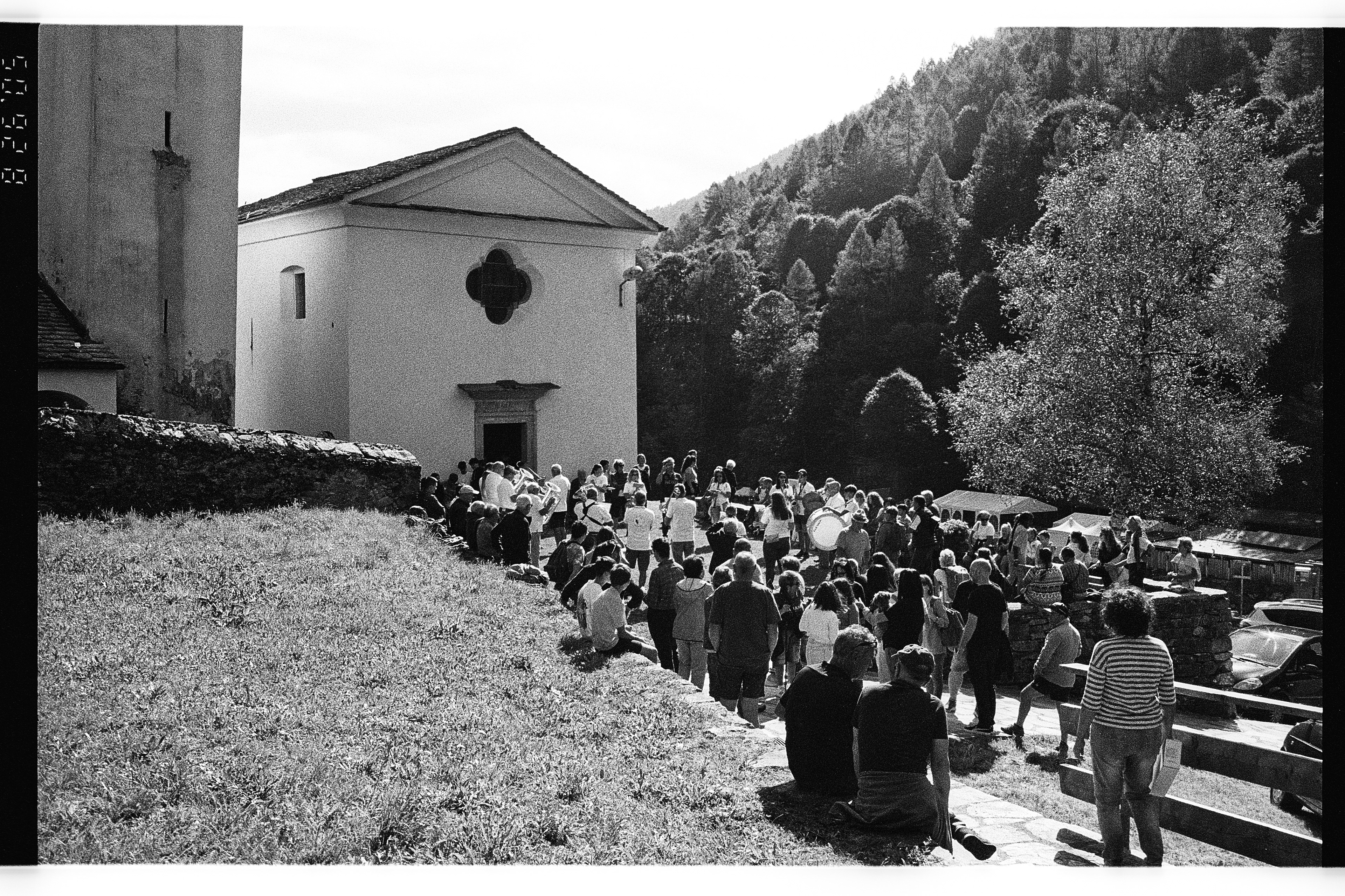
From the Walser barn philologically restored to be used as a house ofprestigious holiday, to the revealing extreme of reconstructions of worldspassed through open-air Ecomuseums like the Swiss Bellenberg, they areproduced places without depth or historical substance, which seek tocorrespond to one's own oversimplified cliché, acting as a kind offull-scale icon.
This logic of preserving a mere aesthetic, analogous appearance, in some respects, to a museum exhibition, creates the belief that the needs of modern technoeconomics be compatible with safeguarding of residual dimensions of historical and identity memory in the form of icons or reserves (parks, protected areas) that are all in all reassuring, where youcan go on Sundays or on vacation.
The complex consequences of this belief, perfectly responsiveto the logic of the tourism industry as well as other forms of economic interests,were analyzed both by the geography of tourism and by geophilosophy.They are “heavy” and often devastating long-term relapses, although notimmediately perceptible as such by local communities, showing themselvessometimes under the guise of a reasonable solution and perhaps inevitable.
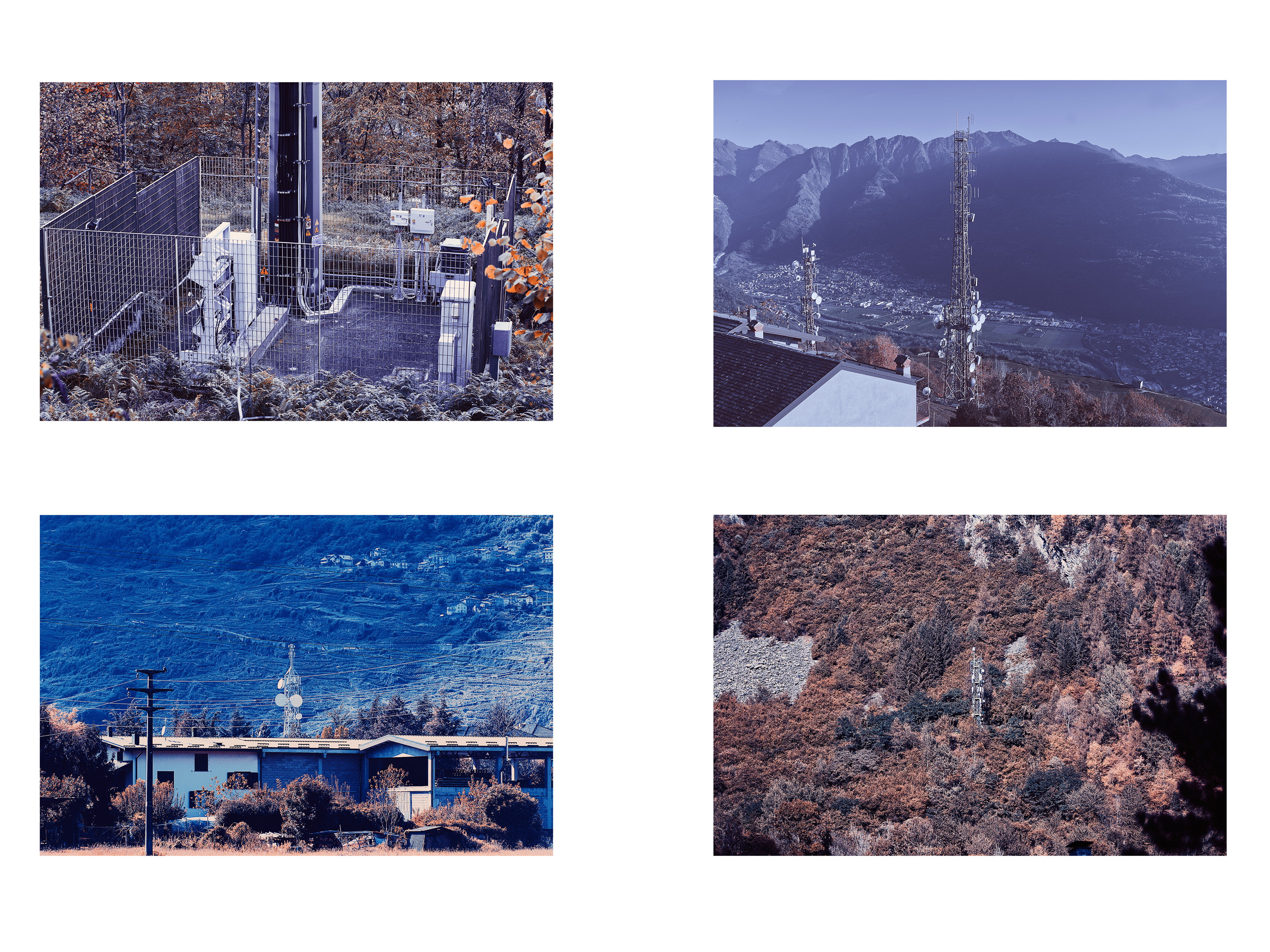
Indeed, as Bernard Crettaz brilliantly showed in the case of theSwitzerland, the celebration of the past, taken as a foundation mythidentity, can lead one to look even more confidently at the present, at thefuture, to “progress”: in a certain sense, the destruction of nature and thelandscape disorder in the name of innovation can findcompensation in the symbols of permanence, order and immutability natural.
In Neo-Latin languages, the term “landscape” comes from “country”, descendingfrom the Late Latin adjective pagensis, from pagus = village, but moreoriginally boundary stone, enclosure, limit.
The landscape, according to the logic of this etymology, appears as a regionrural defined by borders or in any case clearly recognizable in itslimits; a meaning also identifiable in the ancient sense of Landschaft, theworked campaign, community work: therefore a reality that alludesto the settlement, to inhabit, cultivate, beautify and venerate by acommunity on the territory chosen to live there.
When, by contrast, Flemish culture takes up the term Landschaftrecontextualizing it in the artistic field, thesplit between the urban dimension, with its specific cultureand the countryside, a “out” to be pushed away or reconquered through thatadjusted setting of the distance represented exemplarilyfrom the perspective window.
It is no coincidence that in the history of painting, landscape makes its first appearancesin the box of a window or other opening in the home environment orurban, from which one can see a countryside (the work and life context of others)enjoyable as an aesthetic phenomenon, a spectacle that urban culturerepresents in artistic form, or as a backdrop to one's own cities.
These considerations show the need to go up, beyond the predominantartistic-aesthetic meaning of the concept of landscape, to a thoughtof the identity of landscapes as an incessant realization of actsterritorializing harmonious expression of the peculiar style of settlement (andtherefore of interaction with nature) by a situated culture (notnecessarily indigenous!), in which the aesthetic quality cannot be split,like a rootless efflorescence, from the cultural identity of the place.
Far from resolving into defensive municipalism, self-monumentalizing closure, museum pathos, this perspective is the conditionof recognizability of a differential profile in the incessant transformation of theface of the world, which rightfully was able to express itself in the ideaphysiognomy to allude to the always singular manifestation of geniusloci, to the coherent but always renewed way of maintaining oneself in agreement with thecharacter of the place that a culture chooses to highlight.
From this perspective, “tradition” and “innovation” do not fitin irreducible antagonism: the continuity of a culture's style (and thereforeof his way of producing-conserving landscape) is achieved throughcountless acts of transformation, adaptation, reorganization.
The landscape as a symbolic space of the settled community it's the questionwhich has recurred with an inescapable force to urban planners in recent years, inrelationship to the design of forms of territorialization that are not limitedto a mere cryogenization of the existing or, conversely,to the nihilistic resignation in the face of a zeroing homologation that isit also carries out uniform, informative territorial construction and logic formsor obviously deformed.
If the landscape and the creation of a culture, itsperpetuation and increase is correlative to what has been indicated as “thecommunity reconstruction”.
If “the self-supporting community ensures that the natural environment cansupport it in its action”, the first requirement to maintain the peculiarity ofa landscape is not to impose economic logics on the placeexogenous and extraneous, developmental patterns and rhythms that do not take into account thelocal peculiarities.
This project of reconstituting a landscape aims toestablish local social affiliations, an identification with placesof living.